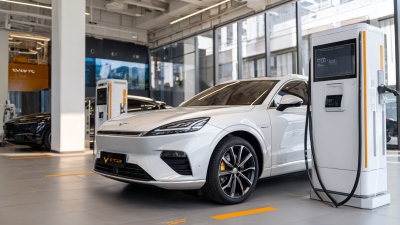
How to Buy a Toyota Corolla in 2026?
Buying a Toyota Corolla in 2026 starts with a clear picture of your daily driving, budget, and must-have features. Will you commute through crowded streets, carry family, or make regular highway trips? Those details can shape whether a sedan or hatchback suits you, if both are available in your area. Set a realistic total budget, including taxes, insurance, fuel, and routine maintenance. The advertised price is only part of the cost. It is easy to overlook that.
Before visiting a dealership, compare current Corolla trims and powertrain options using Toyota’s official website and local dealer listings. Model availability, equipment, and pricing can vary by region, so confirm details directly rather than relying on an old review or a third-party listing. Make a shortlist of features you will actually use, such as driver-assistance systems, phone connectivity, or heated seats. Then arrange a test drive. Small details matter: seat comfort, rear visibility, cabin noise, and how the car feels on your usual roads.
A little uncertainty is normal. Your preferred trim may be unavailable, or a test drive may change your priorities. Ask for an itemized quote, review financing terms carefully, and compare the final out-the-door price with other local offers. If considering a used Corolla, check its maintenance records and arrange an independent inspection. This guide explains how to prepare, compare options, and make a measured decision without assuming every buyer needs the same car. Take your time. A good purchase should fit your life, not just the showroom pitch.
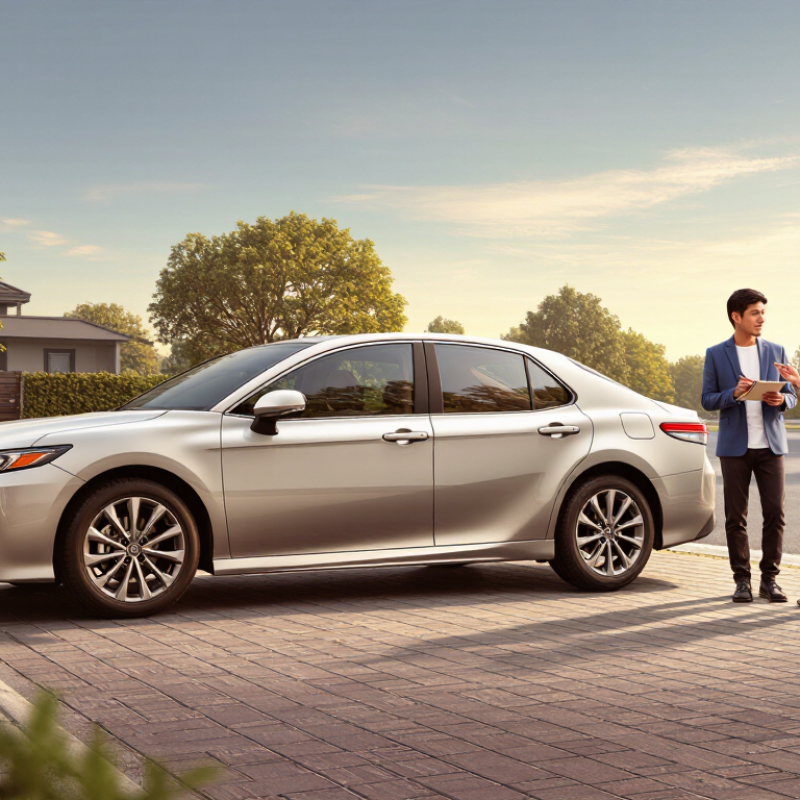
Define Your Budget Using Kelley Blue Book Values and Total Ownership Costs
Before visiting a seller, set a maximum purchase price from your monthly budget, not the advertised payment. Compare the vehicle’s year, trim, mileage, options, and condition with a current market-value estimate. A low price may reflect accident history, worn tires, or overdue service. Get an independent inspection. Small details matter.
Then budget beyond the sale price: include taxes, registration, loan interest, insurance, fuel, maintenance, and repairs. The 2024 Your Driving Costs report estimated average annual ownership costs for a new vehicle at $12,297, assuming 15,000 miles of driving. That figure is a broad benchmark, not a compact-sedan forecast. Request an insurance quote using the specific vehicle identification number, and price a set of replacement tires before signing. Keep a repair reserve, too. A spreadsheet can look reassuring while missing a costly surprise. Recheck your assumptions.
Compare 2026 Corolla Trims by EPA Fuel-Economy Ratings
When shopping for a 2026 compact sedan, compare each trim’s EPA city, highway, and combined fuel-economy ratings.
The combined figure helps with mixed driving, but your daily route matters too. Stop-and-go commutes can make city ratings more relevant; long highway stretches put greater weight on highway performance.
Check the window sticker for the exact trim and drivetrain.
Ratings can differ with wheel size, equipment, or whether a version uses a gasoline or hybrid powertrain. Don’t assume the most expensive trim is the most efficient. Small details count. A larger wheel package may slightly change the listed estimate, while added comfort features may be worth that trade-off. Read the fine print.
For a fair comparison, estimate your yearly mileage and fuel cost using the EPA combined rating, then check city and highway figures against your routine.
A spreadsheet works. It is easy to focus on one impressive number and overlook how often you drive in traffic. EPA estimates are useful benchmarks, not guarantees; weather, speed, tire pressure, and driving style affect real-world results. Before choosing, compare the exact ratings on the vehicles you’re considering. The numbers can feel fussy, and I’d be cautious about treating a tiny difference as decisive.
Assess Financing with CFPB APR and Monthly-Payment Guidance
When shopping for a 2026 Corolla, treat the monthly payment as one part of the financing picture, not the whole picture. A low payment can hide a longer loan and a higher total cost. The CFPB recommends comparing the annual percentage rate, loan term, amount financed, and total payments across offers. APR includes the interest rate and certain loan fees, so it can help you compare financing more fairly.
Ask for written estimates from more than one lender before signing. Check that each estimate uses the same down payment, loan amount, and term. Then review the monthly payment beside the total you would repay. That matters. A difference of just a few dollars each month may add up over several years. Also check whether optional products or fees have been included; ask what each charge covers.
Use a budget based on real expenses, including insurance, fuel, and routine maintenance. Leave room for an unexpected repair. It is tempting to stretch the loan term to make the payment feel manageable, but that choice may cost more overall. I would not rely on the payment alone; it is an easy number to fixate on. If a term, fee, or APR is unclear, pause and request an explanation in writing before agreeing.
How to Buy a Toyota Corolla in 2026? Assess Financing with CFPB APR and Monthly-Payment Guidance
Illustrative monthly payments for a $25,000 auto loan at 7% APR, shown across different loan terms.
Estimated payments are about $772, $599, $495, and $426 per month, respectively. Longer terms reduce the monthly payment but generally increase total interest paid. These figures are illustrative calculations, not a current rate offer; actual APR depends on your credit and lender. Compare APR, total loan cost, and a payment that fits your budget. Estimates exclude taxes, fees, down payment, and other costs.
Check the VIN for Recalls and Review the FTC Buyers Guide
Before buying a used 2026 compact sedan, match the VIN on the dashboard to the number on the door label and paperwork. A mismatch deserves an explanation. Use the full 17-character VIN to check open safety recalls through the National Highway Traffic Safety Administration’s recall lookup. A clean search is not a complete vehicle inspection; some repairs may not appear immediately. Ask a service department to confirm whether recall work was completed, and request the repair record. Keep a photo of the VIN and any paperwork.
Read the FTC Buyers Guide posted in the vehicle’s window before discussing price. It states whether the car is sold “as is” or with a warranty, and identifies which systems may be covered. Check that the wording matches the seller’s explanation. If a salesperson promises a repair or warranty, ask for that promise in writing. Small details matter: a verbal assurance about new tires is easy to misunderstand later.
Take your time. A clean report can still leave questions. Inspect the tires for uneven wear, test the air conditioning, and look for warning lights after starting the engine. Ask an independent mechanic to check the car before purchase, especially if service records have gaps. I might miss something in a quick inspection; that is worth admitting. Keep copies of the Buyers Guide, inspection findings, and final paperwork before handing over payment.
Confirm the Out-the-Door Price and Toyota’s 3-Year/36,000-Mile Basic Warranty
Ask for the out-the-door price in writing before discussing monthly payments. It should show the vehicle price, taxes, registration, documentation fees, and every optional add-on. A low monthly figure can hide a longer loan or products you never requested. Request an itemized quote. Then compare it with the numbers on the purchase agreement before signing. If a fee is unfamiliar, ask what service it covers and whether it is optional. I may be overchecking small charges, but they add up quickly.
Confirm the basic warranty’s exact terms: 3 years or 36,000 miles, whichever comes first, if that is the coverage stated for your vehicle. Ask when the warranty period begins and get the answer in writing. The basic warranty does not necessarily cover routine maintenance, wear items, or every repair, so read the exclusions rather than relying on a salesperson’s quick explanation. Save the warranty booklet and your dated paperwork. Keep service records, too. A clear answer now is better than an argument later. If the written documents differ from the sales conversation, pause and have the difference explained before you commit.