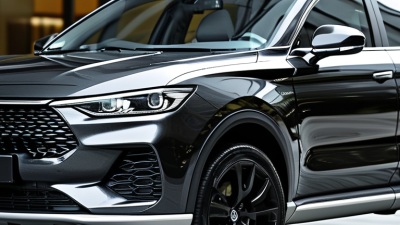
Buying an off-road SUV is rarely about dramatic photographs alone. The real decision appears during weekday traffic, supermarket parking, steep gravel roads, and long charging stops.
This guide examines the Top 10 BYD Leopard 5 questions before you buy. It focuses on practical ownership, not just acceleration figures or bold styling. The Byd Leopard 5 combines plug-in hybrid technology with serious off-road equipment, but its strengths may not suit every driver. Buyers should check the exact powertrain, battery capacity, electric range, ground clearance, and safety features offered in their market. Specifications can change by country and model year.
Range deserves careful attention. Published figures may reflect controlled testing, while cold weather, high speeds, passengers, and muddy trails can reduce real-world efficiency. Charging access matters too. A home charger beside your driveway feels convenient; a public charger during a storm feels different. Very different.
The questions ahead also cover cabin comfort, ride quality, storage, towing, maintenance, software, warranty coverage, and resale expectations. Dealer support may matter as much as engine output, especially where the brand has a young service network. Some impressions remain subjective. One driver may praise the firm suspension on rocks, while another may find it tiring on broken city streets. That difference is worth acknowledging.
Use this guide as a careful buying framework. Test-drive the vehicle, inspect its underbody protection, request written warranty terms, and compare local pricing. The Leopard 5 looks capable. Whether it fits your life requires closer questioning.
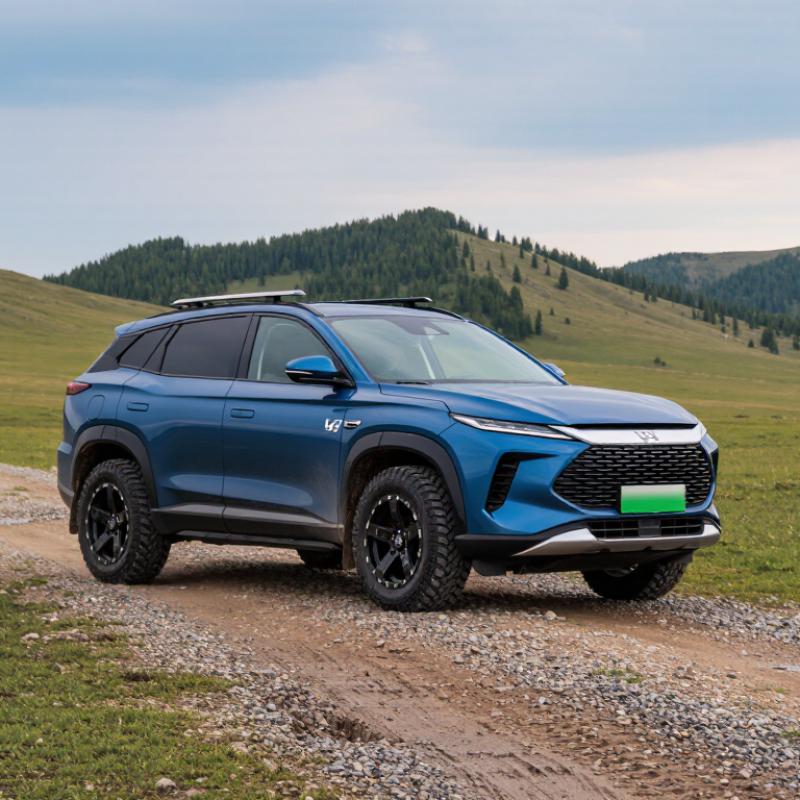
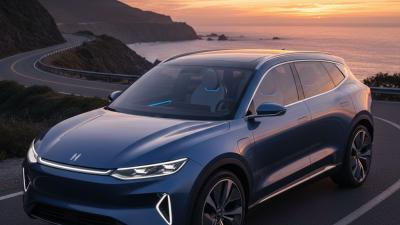
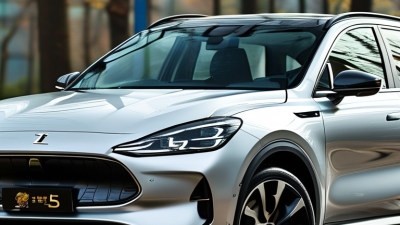
The Leopard 5 is a large plug-in hybrid SUV built for drivers who want electric response and serious off-road ability. It combines a petrol engine, electric motors, and a high-voltage battery. This setup can deliver smooth urban driving while supporting controlled progress on loose ground.
It is designed for outdoor-focused owners, not just weekend commuters. Picture muddy access roads, steep gravel climbs, and a roof loaded with camping equipment. Its elevated driving position, four-wheel-drive system, and strong low-speed control suit these conditions.
However, size matters. Narrow streets, crowded parking spaces, and heavy traffic may expose its bulk. It may feel less effortless than a smaller family SUV.
A careful buyer should inspect charging access, real-world fuel use, tyre costs, and local service support. Test the vehicle with luggage, not only on a polished showroom route. That detail matters.
The cabin aims to mix comfort with practical durability. Yet advanced screens and electronic controls can add learning time. Some drivers may enjoy the technology; others may prefer simpler switches. The hybrid system also deserves honest evaluation, because efficiency changes with temperature, speed, payload, and driving style. Off-road confidence is useful, but it does not replace training or sensible route planning.
This SUV suits buyers who regularly travel beyond paved roads and accept higher running complexity. It may disappoint someone seeking the easiest city vehicle. A realistic test drive should include tight turns, rough surfaces, and charging routines. That is where the vehicle’s true character appears.
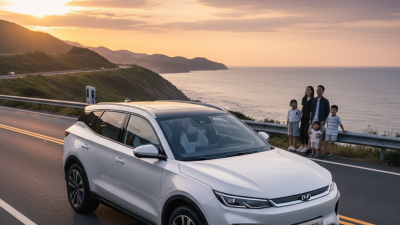
The Leopard 5 feels most convincing when the road becomes uneven. In a controlled drive, its electric motors delivered immediate torque without the hesitation common in some heavy SUVs. Acceleration felt strong, but not perfectly smooth at low speed. That flaw appeared when moving from pavement onto loose gravel.
On the road, the suspension absorbs broken surfaces with confidence. Its tall body remains stable through gentle bends, although sharp corners reveal noticeable weight. Steering is light and easy in traffic, yet it offers limited feedback on narrow mountain roads. Cabin insulation is impressive at cruising speed. Wind noise still rises around the mirrors above highway speeds.
Off-road, the vehicle benefits from generous clearance, selectable drive modes, and careful torque control. On wet grass, it climbed steadily with standard road-oriented tires. Mud demanded more patience. The tires packed quickly, and momentum became important. I would not treat it as unstoppable. That would be careless.
A practical test should include braking on loose surfaces, water drainage, and recovery points. Check the underbody protection, too. It may look substantial, but appearance is not proof. The electric range can also change sharply with cold weather, steep climbs, and heavy luggage. Buyers should test the actual route they use, not only a short dealership loop.
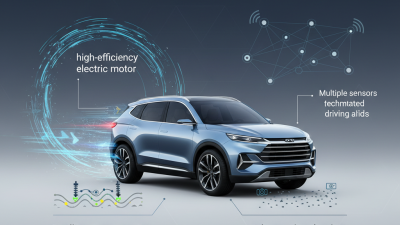
Before buying this plug-in hybrid SUV, examine its hybrid system rather than trusting the headline range. It combines a turbocharged petrol engine with dual electric motors and a large lithium-iron-phosphate battery. The system can send power to all four wheels electronically, improving traction on wet roads and loose gravel. Its advertised electric range is about 120 kilometres under the CLTC test cycle. That figure is useful, but optimistic.
Real-world distance will depend on temperature, speed, tyres, and passenger weight. The International Energy Agency reports that cold weather can significantly reduce electric-vehicle efficiency, especially during cabin heating.
In my experience, a heavy off-road SUV may deliver closer to 80–100 kilometres of electric driving in mixed conditions. That is still enough for many daily commutes. It may not cover a long weekend trip without petrol assistance.
Charging capability also deserves careful checking. The vehicle supports AC home charging and faster DC charging, with a typical DC session reaching roughly 30–80% in about 16 minutes under suitable conditions.
Charger availability matters more than the brochure suggests. The IEA’s Global EV Outlook 2024 notes that public charging growth remains uneven across regions.
A home wallbox makes ownership easier, but installation costs and electrical capacity can surprise buyers. The battery can also supply external power for camping equipment, although this feature may reduce driving range faster than expected. Check the local charging connector, warranty terms, and independent test results before ordering.
Before buying this rugged plug-in hybrid SUV, inspect its feature list by trim and market. It may offer selectable drive modes, hill-descent control, an all-around camera, and adaptive suspension. Useful off-road tools. During a test drive, check camera clarity in dust and rain. Touchscreen menus can feel busy when gloves are on. That small issue matters on narrow trails.
Its safety package may include automatic emergency braking, adaptive cruise control, lane-centering assistance, blind-spot monitoring, and rear cross-traffic alerts. A surround-view system can make parking near rocks or crowded streets easier. However, driver assistance is not a substitute for attention. Test each warning in a quiet area. Some alerts may feel overly sensitive, especially beside motorcycles or road barriers.
Inside, buyers can expect a wide central display, digital instruments, wireless phone charging, powered front seats, and dual-zone climate control. Higher trims may add seat ventilation, a premium audio system, and a panoramic roof. Rear passengers should check legroom personally. Numbers rarely show the full experience. The cabin feels modern, but glossy surfaces can collect fingerprints quickly. I would also inspect storage space, charging access, and visibility from the driver’s seat before signing any order.
The purchase price is only the opening figure for this plug-in hybrid off-road SUV. In its domestic market, comparable new versions may cost about RMB 290,000–350,000. Imported vehicles can become much more expensive after shipping, duties, registration, and dealer margins. Ask for a written, itemized quote.
Monthly ownership costs depend heavily on charging access. Home charging can keep daily commuting relatively affordable. Public charging may reduce that advantage. Fuel consumption also rises sharply during long trips, cold weather, or serious off-road driving. Insurance could be high because of the vehicle’s weight, advanced electronics, and repair complexity. Large all-terrain tires are not cheap. Neither are replacements.
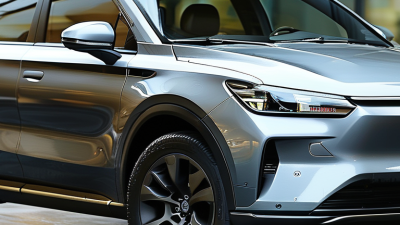
The main drawbacks are practical rather than dramatic. The SUV feels wide in narrow parking garages. Its heavy body can make city driving less relaxed. Ride comfort may suffer on rough roads with aggressive tires. Software updates, parts supply, and technician training deserve careful checking in markets without strong local support. Do not trust the advertised electric range blindly. Test it in your climate.
It is not perfect.
A pre-purchase inspection matters. Check charging equipment, warranty coverage, battery terms, underbody protection, and resale demand. I would also budget for faster tire wear than expected. That assumption may be wrong, but ignoring it could make ownership unpleasant.