Top Electric Automobile Trends for Global Buyers 2026?
The landscape of the electric automobile industry is evolving rapidly. By 2026, buyers will witness significant trends shaping their choices. Experts predict that advancements in technology will redefine what consumers expect from electric automobiles. James Smith, a recognized authority in the sector, commented, “The future of electric automobiles is not just about battery life, but about an entire ecosystem of sustainability.”
As we look ahead, several key trends are emerging. First, the integration of smart technology will enhance user experience. Features like autonomous driving and vehicle-to-grid systems are becoming mainstream. Sustainability is becoming paramount, with many manufacturers prioritizing eco-friendly materials. This focus on a green approach comes with challenges that businesses must navigate. The push for clean energy extends beyond the vehicle itself and into the supply chain.
In examining these developments, it's crucial to recognize areas for improvement. The electric automobile sector must address accessibility and affordability. Increasing production scales will be essential to meet future demand. As we approach 2026, consumers will expect not only innovation but reliability and value from electric automobiles.
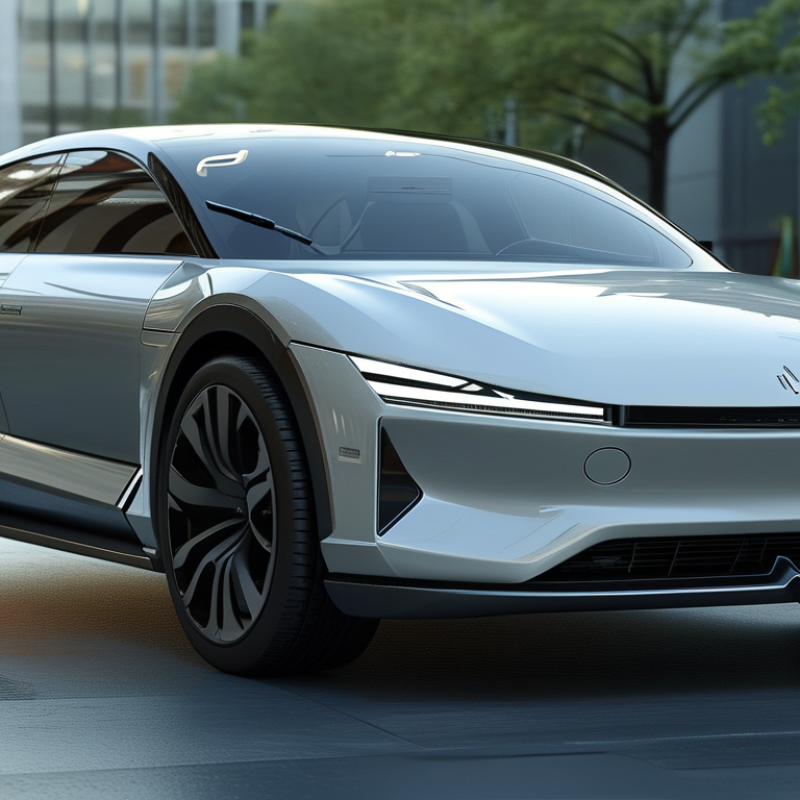
Top Electric Automobile Trends for Global Buyers 2026
As we look toward 2026, the electric automobile market is set to undergo significant transformations. According to a report by McKinsey, global electric vehicle (EV) sales are expected to reach 30 million units by 2026, accounting for over 30% of total automobile sales. This shift hints at an increasing demand for sustainable transportation options and a growing consumer preference for eco-friendly technologies.
Battery technology will play a critical role in this evolution. Research from BloombergNEF suggests that the cost of lithium-ion batteries will fall below $100 per kilowatt-hour by 2025. This development will enable manufacturers to produce more affordable EVs, potentially appealing to a broader customer base. Additionally, advancements in solid-state batteries may offer improvements in safety and energy density, addressing some current concerns about range limitations.
While these trends appear promising, challenges remain. Infrastructure development must keep pace with EV sales. Inadequate charging networks could hinder growth. Moreover, issues related to battery recycling and sourcing ethical materials for battery production require ongoing attention. These obstacles remind us that the road to a sustainable future is not without its bumps. Understanding these complexities will be essential for consumers making informed decisions in this rapidly changing market.
Adoption Rates: Projected Growth in Global Electric Vehicle Sales by 2026
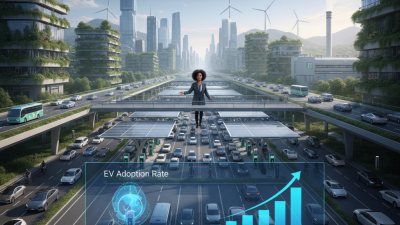
The electric vehicle market is on the verge of a significant transformation. According to a recent report by the International Energy Agency (IEA), global electric vehicle sales are projected to reach 30 million by 2026. This marks a remarkable increase from 2022 levels. The rise is not just about numbers; it reflects changing consumer attitudes toward sustainability. Many buyers are now prioritizing eco-friendly options in their vehicle choices.
Moreover, the trend isn't limited to urban centers. Rural areas are increasingly adopting electric vehicles. In certain regions, charging infrastructure is improving. By 2026, the number of public charging points worldwide could exceed 5 million. This expanded access will play a crucial role in alleviating range anxiety among potential buyers. Recent surveys show that 40% of potential buyers still worry about charging availability.
However, challenges remain. The upfront cost of electric cars is still higher than traditional vehicles. According to experts, while the total cost of ownership shifts favorably over time, many buyers are hesitant. Incentives from governments can help, but they vary significantly by region. This inconsistency may affect overall adoption rates. Further testing of consumer sentiment will be vital in guiding future sales strategies.
Battery Technology Advances: Enhancements in Range and Charging Speed
Battery technology is rapidly evolving, boosting the appeal of electric vehicles (EVs). Consumers are increasingly looking for enhancements in range and charging speed. Innovations in lithium-ion and solid-state batteries promise larger capacities and quicker charging times. This evolution is essential for a more convenient driving experience. Drivers can charge their vehicles in minutes, not hours.
Tips: Research battery specifications before purchasing. Understand what range suits your lifestyle. Evaluate charging infrastructure in your area. Range anxiety will diminish as technology advances, but knowledge empowers you.
Battery management systems are also improving. These systems optimize performance and extend battery life. Efficiency gains come from better thermal management and smarter recharge cycles. However, not all advances are perfect. Some technologies may lead to higher costs or require new charging stations. Keeping informed helps buyers make the right decisions.
Tips: Monitor battery health regularly. Stay updated on new technologies. Explore mixed charging options to maximize convenience. Small actions can lead to great benefits in the long run.
Sustainability Standards: Evolving Regulations Impacting EV Manufacturing
The evolving landscape of electric vehicle (EV) manufacturing is heavily influenced by changing sustainability standards. These regulations aim to reduce the environmental impact of production processes. Manufacturers are facing increasing pressure to adhere to stricter guidelines. Compliance can involve substantial changes in supply chains and production techniques. This can drive innovation, but also raises operational costs and uncertainties.
New regulatory frameworks often require manufacturers to source materials ethically. For example, the demand for recyclable components is growing. These materials are not only sustainable but can also present challenges in availability and cost. Companies must invest in research and development to navigate these complexities. As they shift toward greener practices, achieving balance becomes critical.
Adapting to these regulations can lead to potential pitfalls. Small companies may struggle to compete with larger manufacturers that have more resources. Additionally, the timeline for compliance may create stress on production schedules. While sustainability is a noble goal, the path to achieving it is rarely straightforward. Manufacturers must remain vigilant and adaptable in this rapidly evolving industry.
Autonomous Features: The Integration of AI in Electric Vehicle Design
Autonomous features represent a pivotal shift in electric vehicle (EV) design. By 2026, it's estimated that over 50% of new EVs will incorporate some form of autonomous technology, according to a recent industry report. The integration of artificial intelligence (AI) into these vehicles is enhancing safety and driving experience significantly. AI systems analyze real-time data, such as traffic patterns and weather conditions, allowing for better decision-making on the road.
As consumers become more aware of these advancements, the demand for AI-driven functionalities will increase. Features like automatic lane changing, adaptive cruise control, and collision avoidance are becoming standard. However, challenges remain. AI systems must navigate complex urban environments, and the learning processes can be slow.
Tips: When considering an electric vehicle in the future, assess the software update policies. Continuous updates are crucial for optimal AI performance. Also, prioritize models that have undergone rigorous safety testing. Remember to stay informed about the latest advancements in autonomous driving technology. This knowledge can shape your purchase decisions effectively.
Conclusion
The electric automobile industry is poised for substantial growth by 2026, with projected increases in global sales driven by rising adoption rates. Significant advancements in battery technology are set to enhance vehicle range and charging speeds, making electric vehicles (EVs) more accessible and convenient for consumers. Furthermore, evolving sustainability standards will shape manufacturing practices, pushing for greener production methods in the electric automobile sector.
Additionally, the integration of artificial intelligence into electric vehicle design is leading to the development of advanced autonomous features, which are gaining traction among consumers. As demographics shift and buying preferences evolve, new trends are emerging, reflecting expectations for innovative designs and improved overall performance in electric automobiles. This dynamic landscape indicates a promising future for the electric vehicle market.