Top 10 Tips for Auto Dealers to Boost Sales Globally?
In today's dynamic automotive market, auto dealers face unique challenges and opportunities. The global landscape is evolving rapidly. Understanding how to navigate this complexity is crucial. Successful dealers not only adapt but also thrive. They leverage innovative strategies to attract and retain customers.
Maximizing sales requires a deep understanding of customer behavior. Auto dealers must tap into market trends and preferences. Engaging with the local community builds trust and enhances brand loyalty. Dealers often grapple with competition from online platforms. Finding a competitive edge is essential.
While many auto dealers implement common strategies, not all thrive. Reflecting on past marketing efforts can reveal missed opportunities. Dealers need to measure their successes and failures thoughtfully. This insight drives better decision-making. By embracing a proactive approach, auto dealers can position themselves for sustainable growth in a competitive market.

Understanding Global Market Trends in the Automotive Industry
Understanding global market trends in the automotive industry is essential for dealers aiming to increase sales. Recent research indicates that global auto sales are projected to reach 121 million units by 2025. This growth is driven by evolving consumer preferences and technological advancements. Dealers need to adapt to these trends to stay competitive.
One effective strategy is embracing electric vehicles (EVs). A report from the International Energy Agency shows that EV sales doubled in 2021, reaching over 6.6 million units globally. Dealers can boost sales by offering diverse EV options and informing customers about their benefits.
Another key trend is the rise of online vehicle purchasing. According to McKinsey, over 60% of consumers prefer a digital-first purchasing approach. This shift demands that dealers invest in a robust online presence. High-quality images, transparent pricing, and easy navigation are crucial in this digital era.
Dealers should also consider localized marketing strategies. Understanding regional preferences can lead to targeted promotions. Adapting to these global trends while considering local nuances is vital for success in the ever-evolving automotive landscape.
Top 10 Global Car Markets Sales in 2023
Leveraging Digital Marketing Strategies to Attract Customers Effectively
Digital marketing transforms how auto dealers connect with customers worldwide. It is vital for attracting buyers and boosting sales. Dealers must leverage effective strategies to enhance their online presence.
A robust social media strategy can foster engagement. Posts showcasing new inventory or customer testimonials elevate visibility. Paid ads on platforms like Facebook and Instagram can target specific demographics. Traditional methods won’t suffice in a digital age where customers browse online first.
Search engine optimization (SEO) is essential. Optimizing your website for search engines makes it easier for potential buyers to find you. Use relevant keywords related to your inventory. This approach increases organic traffic and enhances credibility. Regularly updating your site also keeps it fresh and relevant.
Email marketing can be another powerful tool. Send out newsletters with special offers or new arrivals. Personalizing messages can create a stronger connection with potential customers. Data analytics help refine these strategies by tracking user behavior and preferences. This allows for adjustments that increase engagement.
In this fast-paced digital landscape, auto dealers must adapt. Reflect on what works but be open to change. Stagnation could lead to missed opportunities. Regularly revisiting your strategies ensures you stay relevant and responsive to market demands.
Utilizing Customer Relationship Management (CRM) for Enhanced Sales
Customer Relationship Management (CRM) systems play a vital role in enhancing auto dealer sales. Studies indicate that companies using CRM systems can increase sales by up to 29%. This statistic highlights the effectiveness of personalized customer interactions. Through CRM tools, dealers can gather valuable insights about customer preferences and behaviors. Simple data analysis leads to targeted marketing efforts.
Effective CRM helps in maintaining stronger customer connections. Research shows that 70% of customers appreciate personalized communication. By employing CRM, dealers can create tailored marketing strategies based on these insights. Such strategies often lead to higher conversion rates. Dealers can track customer interactions, ensuring no lead goes unnoticed.
Despite the advantages, some auto dealers still struggle with CRM implementation. Many report a lack of training and understanding. According to a 2023 industry survey, 41% of auto dealers feel overwhelmed by CRM capabilities. This gap can hinder potential growth. Regular training sessions and workshops could mitigate these issues. Therefore, investing in CRM education is necessary for maximizing sales potential.
Optimizing Inventory Management to Meet Global Demand Fluctuations
Inventory management plays a crucial role in the auto industry, particularly with global demand variability. Dealers need to stay ahead of market trends. They must analyze consumer preferences and adjust their stock accordingly. For example, a sudden spike in electric vehicle interest requires a strategic pivot.
Flexibility is key. Dealers should have a comprehensive tracking system. This helps identify which models are moving and which are stagnant. Implementing just-in-time inventory practices can prevent overstocking. It also allows quick reactions to shifts in consumer demand. However, maintaining such agility can be challenging. It often requires accurate forecasting and a proactive mindset.
Collaboration with suppliers is essential. Establishing strong relationships can enhance inventory turnover. Transparency in communication helps manage expectations. Some dealers struggle with this aspect. They may hesitate to share data or insights. But fostering openness can lead to better stock control and ultimately drive sales. Consider piloting a new inventory strategy to see real-world effects. Reflect on what works and what doesn’t. Adaptability can position your dealership for success in a competitive global market.
Top 10 Tips for Auto Dealers to Boost Sales Globally - Optimizing Inventory Management to Meet Global Demand Fluctuations
| Tip Number |
Tip Description |
Expected Outcome |
Implementation Timeframe |
| 1 |
Utilize data analytics for demand forecasting |
Improved accuracy in inventory levels |
3-6 months |
| 2 |
Implement just-in-time inventory practices |
Reduced holding costs |
1-2 months |
| 3 |
Leverage global supply chains |
Diverse sourcing options |
Ongoing |
| 4 |
Enhance partnerships with suppliers |
Better negotiation leverage |
3-4 months |
| 5 |
Invest in technology for inventory tracking |
Real-time inventory visibility |
6 months |
| 6 |
Regularly review and adjust pricing strategies |
Maximized profitability |
Ongoing |
| 7 |
Create an agile inventory system |
Faster response to market changes |
6-12 months |
| 8 |
Focus on customer preferences and trends |
Increased customer satisfaction |
Ongoing |
| 9 |
Adopt sustainable practices in inventory |
Positive brand image |
Ongoing |
| 10 |
Utilize e-commerce platforms for sales |
Expanded customer base |
1-2 months |
Implementing Sustainable Practices to Appeal to Eco-Conscious Buyers
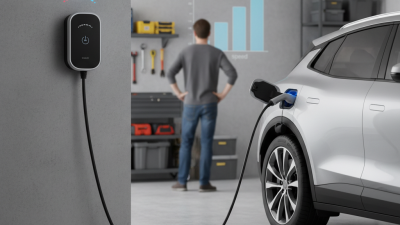
In today’s automotive market, eco-conscious buyers increasingly prioritize sustainability in their purchasing decisions. Auto dealers can significantly enhance their appeal by implementing eco-friendly practices. For instance, promoting electric vehicles (EVs) and hybrids is essential. They attract buyers looking to reduce their carbon footprint. Dealers should display the benefits of EVs prominently, offering test drives and educational materials.
Furthermore, the adoption of sustainable business practices is vital. This includes using recycled materials in showroom displays and reducing energy consumption. Implementing a paperless system can also enhance operational efficiency. Buyers appreciate transparency, so sharing information about sustainable initiatives builds trust. However, many dealers overlook simple upgrades. A commitment to sustainability must be authentic, not just a marketing tactic.
Additionally, offering incentives for eco-friendly purchases can further entice customers. Programs such as trade-in bonuses for electric vehicles can resonate well. Eco-conscious buyers often value community impact, so partnering with local green initiatives can foster goodwill. Nevertheless, it is crucial for dealers to remain genuine in these efforts. A lack of real commitment may lead to skepticism among buyers. Balancing profit with responsibility can be challenging, but it ultimately defines the dealership's reputation in a competitive market.