7 Tips for Choosing a Rox 01 6 Seats?
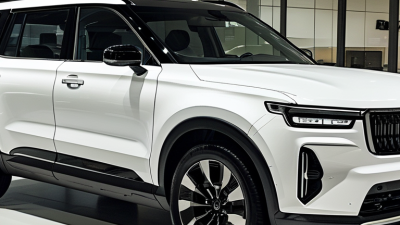
Choosing a ROX 01 6 Seats model requires more than admiring its rugged styling. Families should examine space, access, comfort, and everyday practicality. A six-seat cabin can feel generous, yet the third row may challenge taller passengers. Measure carefully.
Chang Jing, founder and CEO of Rox Motor, described the vehicle’s purpose this way: “ROX 01 combines outdoor exploration with comfortable family travel.” That idea offers a useful starting point. The best choice should support school runs, long journeys, and rougher weekend roads without creating unnecessary compromises.
Look closely at the second-row captain’s chairs. Can passengers reach the third row without awkward climbing? Check luggage space behind all six seats, especially with backpacks and folding strollers. Small details matter.
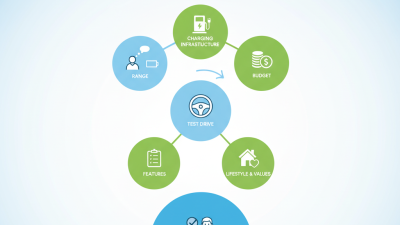
The power system also deserves serious attention. Consider electric driving range, fuel usage, charging access, and your usual journey length. Published figures can change with weather, speed, passengers, and luggage. Real life is less tidy.
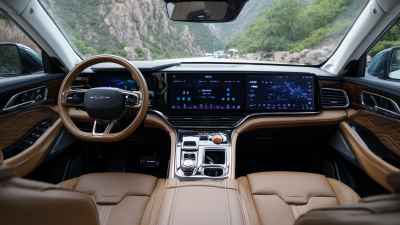
A careful test drive may reveal cabin noise, suspension behavior, steering weight, and visibility. Sit in every row. Open every door. Try the controls at night.
This guide presents seven practical tips for choosing a ROX 01 6 Seats vehicle. It also acknowledges an uncomfortable truth: one configuration rarely suits every family. Some buyers may value adventure equipment, while others need easy urban parking. Reflect on your habits before trusting attractive specifications.
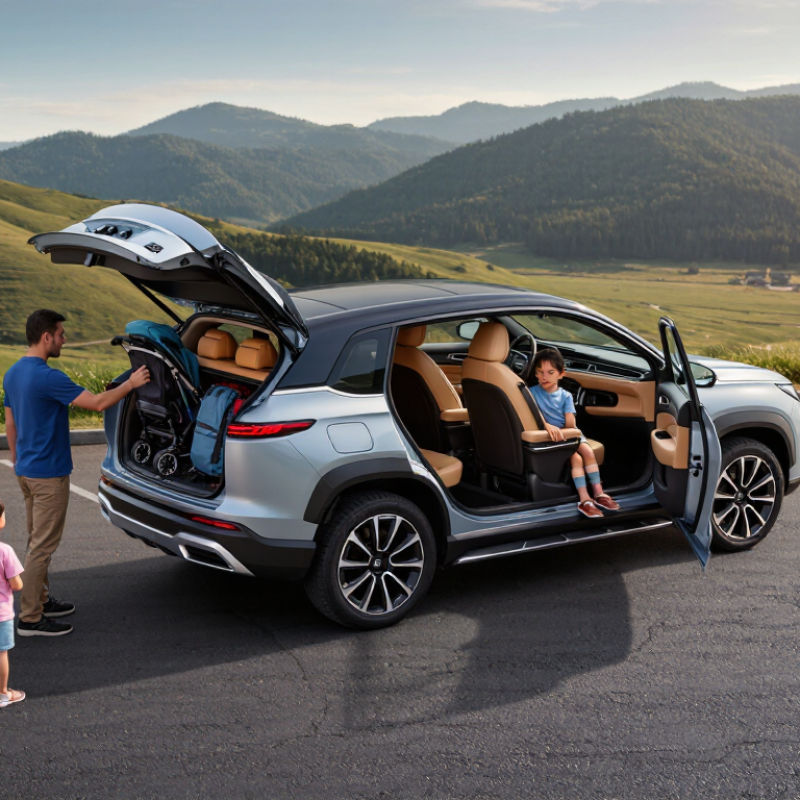
ROX 01 Six-Seat Configuration: Key Features and Intended Use
A six-seat configuration usually places two individual seats in each of three rows. This layout gives passengers clearer personal space than a traditional bench arrangement. The second-row center aisle can also make third-row access easier. Space matters.
For families, the arrangement works well when children need separate seating. Adults may appreciate the wider second-row positions during longer journeys. The third row is better suited to shorter adults or children, especially on extended trips. Cargo capacity may shrink when all seats are occupied, so luggage planning becomes important. A compact stroller, several backpacks, and a few shopping bags may fit, but larger cases could require careful stacking. That changes everything.
This configuration also suits airport transfers, shared commutes, and weekend travel with friends. Before choosing it, check the actual legroom, seat-slide range, door opening, and charging points in person. Published specifications can vary by market and equipment level. A practical test should include entering the third row, fastening seat belts, and adjusting the front seats. I once underestimated how quickly passenger comfort affects a trip. That mistake is easy to repeat. Buyers should also inspect child-seat compatibility and rear visibility. Six seats sound flexible, but the best use depends on passenger height, luggage habits, and travel distance. The layout is capable, not magical.
Six-Seat SUV Configuration: Key Features and Intended Use
A six-seat layout commonly uses three rows with two individual seats per row, supporting comfortable access for six occupants.
The 2+2+2 arrangement gives each passenger a dedicated seat and creates a center passage between the second-row seats. This layout is intended for family travel, multi-passenger commuting, and situations where third-row access is needed without using a bench seat.
Assessing Passenger Space, Seating Flexibility, and Interior Comfort
Choosing a six-seat SUV requires more than counting the seats. Passenger space changes with body size, seat design, and cargo demands. SAE J1100 provides standard methods for measuring vehicle dimensions, but published dimensions cannot show every comfort detail. Sit in each row. Check whether an adult can keep both feet flat, especially behind a tall driver.
A practical six-seat layout often uses two second-row captain’s chairs. This can create easier third-row access and a clearer walkway. However, it may reduce shoulder room and leave fewer seating options for families. Measure knee clearance with the second row adjusted normally, not pushed forward for display. Look for adjustable backrests, firm thigh support, and vents reaching the rear seats. Small details matter. A narrow footwell becomes tiring after an hour.
The 2024 J.D. Power U.S. APEAL Study reported an overall satisfaction score of 847 out of 1,000, showing how strongly owners judge daily vehicle experience. Seating comfort is only one factor, but it affects every journey. The U.S. Environmental Protection Agency’s 2024 Automotive Trends Report also recorded average new-vehicle footprint near 174 square feet. More exterior space does not guarantee better passenger room. I would test the vehicle with six people, two bags, and child-seat equipment. My own mistake would be trusting brochure measurements too quickly. Real comfort is less tidy.
Comparing Powertrain Options, Range, and Driving Performance
Choosing a six-seat electric SUV requires more than checking its advertised range. The powertrain affects comfort, efficiency, and confidence on long trips. A dual-motor setup usually provides stronger acceleration and better traction on wet roads. However, it may consume more energy and reduce practical range. A single-motor version can feel calmer and more efficient for daily commuting.
Range figures need careful interpretation. Laboratory numbers rarely match real driving conditions. Cold weather, highway speeds, roof loads, and six occupants can reduce usable distance. Check independent road tests and calculate a realistic buffer of at least 15 percent. Charging speed matters too. A large battery is helpful, but fast charging can be more valuable during family travel. Confirm the vehicle’s charging curve, not only its peak charging rate.
Driving performance should feel controlled rather than dramatic. During a test drive, examine steering weight, braking smoothness, and body movement through corners. Pay attention to rear-seat comfort after thirty minutes, not five. I initially focused too much on acceleration. That was a mistake. A quiet cabin, predictable pedals, and stable handling often matter more every day. Still, performance claims can be difficult to judge without luggage and passengers onboard. Bring realistic weight, test multiple drive modes, and compare energy use after the drive. Six seats change the vehicle’s balance and demands.
Matching the ROX 01 Six-Seat Model to Your Budget and Lifestyle
Choosing a six-seat electric SUV starts with your real budget, not the monthly payment shown in an advertisement. Include insurance, home charging equipment, electricity, tires, servicing, and possible financing fees. A comfortable payment can still hide expensive ownership costs. Leave room for repairs and family changes.
Your lifestyle should guide the seating decision. The middle row may carry two child seats, while the rear seats suit older children or occasional guests. Measure your garage before visiting a dealer. Check whether the doors open fully beside another vehicle. Bring a folded stroller, school bags, and two suitcases for a practical test. Small details matter.
A six-seat layout works well for larger families, shared trips, and weekend travel. It may feel unnecessary if you usually drive alone. Rear-seat access also deserves attention, especially for children or older passengers. Sit in every row for at least ten minutes. Short showroom impressions can mislead.
I would also compare charging access at home and work. Public charging can become inconvenient during busy holiday periods. Confirm warranty coverage, service locations, and battery support through official documents. Do not rely only on sales claims. A careful test drive should include narrow streets, parking, uneven roads, and a full passenger load. The ideal model is not always the most advanced one. It is the vehicle that fits your finances without making daily life stressful.