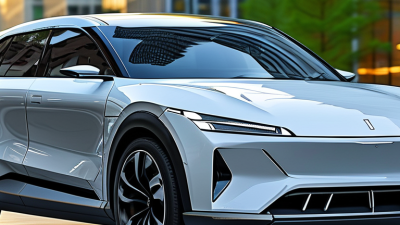
China has become a defining force in the global electric vehicle market. According to the International Energy Agency’s Global EV Outlook 2024, China represented nearly 60% of worldwide electric car sales in 2023. Its factories now offer broad choices, from compact city cars to long-range electric SUVs.
This article examines China’s Best Top EV Cars for Global Buyers through practical ownership details. Battery range matters, but so do charging standards, software support, warranty coverage, safety testing, and spare-parts access. BloombergNEF reported that average lithium-ion battery pack prices fell to $115 per kilowatt-hour in 2024. China’s average was lower, at $94 per kilowatt-hour. That cost advantage can influence vehicle pricing, although import duties and local certification may change the final figure.
The market is moving quickly.
Fatih Birol, Executive Director of the IEA, said, “The electric car revolution is unstoppable.” His assessment reflects strong sales momentum, yet buyers should remain careful. A low price does not guarantee dependable service abroad. Some models also have limited data on long-term resale value, winter range, and software updates outside China.
Therefore, this Top Ev Cars guide compares more than headline specifications. It considers real driving conditions, charging convenience, cabin quality, safety evidence, and ownership support. The analysis is not perfect. Regional prices change, testing methods differ, and new models appear almost monthly. Still, these limitations make transparent comparison more valuable for global buyers seeking a sensible electric vehicle.
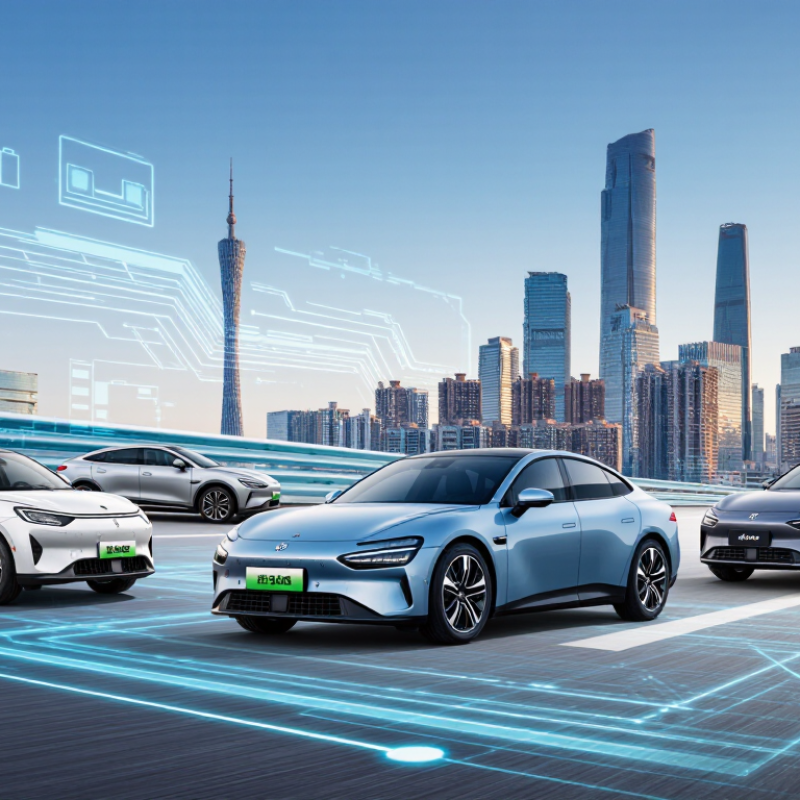
China Best Top EV Cars for Global Buyers
China’s electric vehicle market matters because it combines scale, speed, and practical testing. Millions of daily trips create demanding conditions for electric cars. Hot summers, cold regions, crowded cities, and long highways reveal weaknesses quickly. This real-world pressure encourages faster improvements in batteries, software, safety systems, and charging equipment.
Global buyers can also observe how different vehicle sizes fit different lifestyles. Compact electric cars suit narrow streets and short commutes. Larger models offer more space for families and luggage. Many Chinese vehicles now support home charging, rapid public charging, and useful driving data. Yet charging standards, repair access, import duties, and local regulations remain essential checks before purchase. A low price may lose its appeal when replacement parts take weeks to arrive.
The market is impressive, but not flawless. Some advertised driving ranges depend on mild weather and gentle driving. Winter heating, heavy traffic, and high speeds can reduce distance noticeably. Software translations may also feel unfinished in some export markets. Buyers should inspect warranty terms, crash-test results, battery protection, and after-sales support rather than trusting attractive specifications alone. A careful test drive matters. So does independent evidence. China’s EV industry offers valuable choices, but global buyers still need patience, local research, and realistic expectations.
China Best Top EV Cars for Global Buyers
Main Types of Chinese EVs and Their Key Differences
Chinese electric vehicles are not one uniform category. Battery electric vehicles, or BEVs, use no combustion engine. They suit buyers with reliable home or public charging, especially in cities. A 60-kilometre daily commute may need only one overnight charge. The International Energy Agency reported that China accounted for nearly 60% of global electric car sales in 2023.
Plug-in hybrid vehicles combine a battery with a petrol engine. Their electric range usually covers short urban trips, while the engine supports longer journeys. Range-extended EVs use a small engine mainly to generate electricity. This layout can reduce charging anxiety, but it adds mechanical complexity and fuel costs. The difference matters in regions with sparse fast chargers.
Battery size creates another practical gap. Larger packs offer longer range, but they increase weight and purchase cost. Smaller city-focused models can feel easier to park and cheaper to operate. However, official driving ranges may not match winter traffic, highway speeds, or heavy air-conditioning use. That is an uncomfortable detail, but buyers should examine independent testing.
The IEA also reported that China exported about 1.7 million electric cars in 2023, a 60% annual increase. Battery prices have fallen sharply as well. BloombergNEF recorded an average global pack price of 139 US dollars per kilowatt-hour in 2023, with lower prices in China. Definitions and test conditions vary, so direct comparisons remain imperfect.
| EV Type | Primary Energy Source | How It Drives | Typical Electric-Only Range* | Charging Requirement | Tailpipe Emissions | Main Advantages | Best Suited For |
|---|---|---|---|---|---|---|---|
| Battery Electric Vehicle (BEV) | Rechargeable battery electricity | One or more electric motors; no combustion engine | Approximately 250–600 km under common international test conditions | AC home or workplace charging; DC fast charging commonly available | Zero tailpipe emissions while driving | Lowest routine operating emissions, quiet operation, strong acceleration, fewer mechanical components | Urban and regional drivers with reliable access to charging |
| Plug-in Hybrid Electric Vehicle (PHEV) | Battery electricity plus petrol or gasoline | Electric motor and combustion engine can drive the vehicle separately or together | Approximately 50–150 km, depending on battery size and test method | External charging recommended; fuel refuelling remains available | Zero tailpipe emissions in electric mode; emissions when the engine operates | Flexible long-distance travel, reduced fuel use on short trips, less dependence on public chargers | Buyers who want daily electric driving but frequently travel beyond charging networks |
| Extended-Range Electric Vehicle (EREV) | Battery electricity; petrol or gasoline generator for additional energy | Electric motor normally drives the wheels; the engine mainly generates electricity | Approximately 150–300 km before generator assistance, depending on configuration | External charging recommended; generator extends overall travel distance | Zero tailpipe emissions when operating only on battery; emissions when the generator runs | EV-like driving feel with reduced range anxiety and convenient long-distance capability | Drivers who prefer electric propulsion but have inconsistent access to fast charging |
| Hybrid Electric Vehicle (HEV) | Petrol or gasoline, supported by a self-charging battery | Combustion engine and electric motor work together; battery is charged by the engine and regenerative braking | Usually a few kilometres at low speed; not designed for sustained electric driving | No external charging required | Lower fuel-related emissions than many conventional petrol vehicles, but not zero-emission | Simple refuelling, improved urban fuel efficiency, limited dependence on charging infrastructure | Buyers in areas with limited charging infrastructure who still want improved efficiency |
| Hydrogen Fuel-Cell Electric Vehicle (FCEV) | Hydrogen converted into electricity by a fuel cell | Electric motor drives the wheels; fuel cell produces electricity onboard | Typically approximately 400–700 km, depending on tank capacity and test method | Hydrogen refuelling, generally completed faster than battery charging | Water vapour and warm air at the vehicle tailpipe; total emissions depend on hydrogen production | Long driving range and short refuelling time without a large traction battery | Selected commercial, fleet, or regional markets with dependable hydrogen stations |
*Electric-range figures are indicative international-market ranges. Actual results vary with the testing standard, temperature, speed, vehicle size, battery capacity, terrain, payload, and climate-control use.
Leading Chinese EV makers now offer global models designed for varied roads, climates, and charging systems. Their strongest advantages include practical cabin layouts, competitive range, and frequent software updates. Many models also provide fast charging, driver assistance, and multiple battery choices.
A careful buyer should check more than advertised range. Ask whether the vehicle has local safety approval, compatible charging ports, and reliable after-sales support. Battery warranty terms can differ by country. Cold weather may reduce range noticeably. That detail is easy to miss. Some imported models also need software adjustments for local navigation, language, and mobile networks. A test drive remains valuable, because screen quality cannot show real suspension comfort or brake response.
Tips: Compare the global version, not only the domestic specification. Confirm repair access before paying a deposit. Measure your parking space and home charger location. Check independent crash-test results and insurance costs. Also, read the warranty carefully; I once underestimated how much regional coverage mattered. This is where glossy comparisons feel incomplete. Look for transparent service schedules, clear battery health information, and a usable emergency support number.
Choosing an electric vehicle for global travel requires more than attractive styling. Battery range should match daily routes, weather, traffic, and luggage needs. Real-world range may fall sharply in winter or on fast highways. A dependable model should offer clear energy data, efficient climate control, and a practical battery warranty.
Charging access matters just as much. Check whether the vehicle supports common charging standards in your region. A home charger can be convenient, but apartment owners may depend on public stations. Fast charging is useful during long trips, although repeated high-power charging may increase battery heat.
Safety deserves equal attention. Look for independent crash-test results, strong driver-assistance systems, reliable emergency braking, and clear software updates. These features help, but they cannot replace attentive driving.
Tips: Test the driving position with your usual passengers. Inspect trunk space with real bags. Plan a route using public chargers before purchase. Do not trust advertised range alone. A short charging queue can change the entire journey. I would also check local repair support and warranty terms, because advanced technology can be difficult to service. Some buyers overlook this practical weakness.
Choosing the right Chinese EV for overseas use requires more than comparing range and price. The IEA’s Global EV Outlook 2024 reports that China represented nearly 60% of global electric car sales in 2023. This scale supports competitive technology, but export buyers still need to check local compatibility. Confirm the charging standard, steering position, navigation functions, and supported mobile networks before payment. A vehicle designed for domestic use may not communicate properly with foreign charging equipment.
Fit matters. Check battery capacity, real-world winter range, and charging speed under your local conditions. The U.S. Department of Energy notes that cold weather can reduce EV range, sometimes substantially, because heating increases energy demand. Ask for battery health records, warranty coverage, and a written parts-support plan. Do not rely only on the seller’s advertised range. It is often measured in controlled conditions.
Import costs also extend beyond the invoice. Review customs duties, value-added tax, inspection rules, safety certification, and registration requirements with an authorized local authority. The International Council on Clean Transportation has repeatedly highlighted differences in vehicle standards and market regulations across regions. These differences can delay registration or limit software functions. Build a total-cost worksheet covering shipping, insurance, certification, charging installation, and future battery service. Some buyers overlook these details. I would, too, without a checklist. A careful inspection by an independent EV technician can reveal connector damage, accident repairs, or battery temperature irregularities before delivery.
China’s new-energy vehicle exports increased rapidly from 2021 to 2024. This trend gives global buyers more vehicle choices, but importers should still verify local certification, charging standards, warranty coverage, spare-parts support, taxes, and shipping requirements before purchasing.
Unit: million vehicles. Source: China Association of Automobile Manufacturers (CAAM) annual export releases. New-energy vehicles include battery-electric and plug-in hybrid vehicles.