Which Chinese Car Make is best for global buyers? The answer depends on more than showroom design or a low purchase price. Buyers must examine safety, battery durability, charging access, software support, resale value, and local servicing. A polished vehicle can still disappoint when replacement parts cross several borders.
Industry data shows why this question matters. The International Energy Agency reported that China represented nearly 60% of global electric car sales in 2023. Its Global EV Outlook also identified China as the world’s largest electric vehicle market and manufacturing base. That scale gives Chinese brands strong production experience and competitive pricing. However, global performance is uneven. A model popular in Shanghai may have limited dealer coverage in Madrid, Melbourne, or Johannesburg.
Independent testing adds another useful layer. Euro NCAP evaluates crash protection, driver assistance, and child safety under demanding European procedures. J.D. Power’s China studies provide evidence about initial quality and ownership problems, although their findings cannot automatically predict performance in every country. Buyers should compare verified results, not advertising claims. Warranty terms also deserve close attention. Battery coverage, roadside assistance, and software updates can vary sharply between markets.
This guide compares leading Chinese brands through practical ownership questions. Which company offers dependable service after purchase? Which model protects passengers in realistic crashes? Which brand supports owners five years later? The evidence is valuable, but not perfect. Export data changes quickly, and some long-term reliability records remain incomplete. A thoughtful buyer should treat every ranking as a starting point, then inspect local support, insurance costs, and charging conditions before choosing a Car Make.
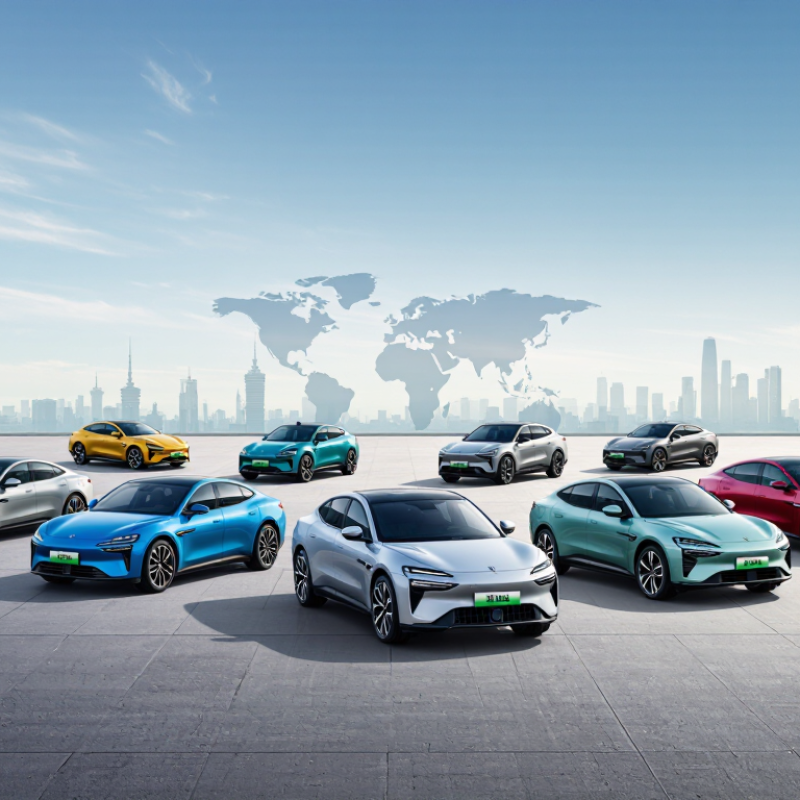
Chinese car makers are competing globally through pricing, electric powertrains, and rapid product development. The International Energy Agency reported that China produced more than half of the world’s electric cars in 2023. It also recorded nearly 1.7 million exported electric vehicles that year. This scale can reduce battery and manufacturing costs for overseas buyers.
Price is only one advantage. Many Chinese vehicles offer large screens, connected services, and advanced driver assistance as standard equipment. However, global competition depends on more than attractive specifications. The Euro NCAP safety program shows that independent crash testing remains essential, especially when equipment varies by market. Buyers should check local certification, battery warranties, charging compatibility, and software support before comparing prices.
After-sales service is the harder test. The International Energy Agency’s Global EV Outlook 2024 notes that public charging networks are expanding unevenly across regions. A vehicle may perform well in a city but become inconvenient where fast chargers are scarce. Parts availability also matters. This is where some market claims feel incomplete. A low purchase price cannot compensate for slow repairs or unclear warranty coverage. The best choice is usually the model with verified safety results, dependable local service, and transparent long-term costs, not simply the most feature-packed vehicle.
The better question is not about the badge. It is about measurable ownership value. The International Energy Agency reported that China sold nearly 60% of the world’s electric cars in 2023. It also recorded about 1.7 million electric-car exports that year. Scale matters, but scale alone does not guarantee a good purchase.
Compare safety results from independent testing agencies in the buyer’s region. Check battery warranty terms, charging standards, and repair coverage in writing. A long warranty sounds reassuring. The service network matters more when a sensor fails 300 kilometers from home. Deloitte’s 2024 Global Automotive Consumer Study found that vehicle quality and reliability remain major purchase priorities across markets. That makes parts availability and technician training practical comparison points, not minor details.
Look closely at real-world range, not only laboratory figures. Cold weather, highway speed, and heavy air-conditioning can reduce range sharply. Check software language support, emergency-call compatibility, and data-handling policies before ordering. The International Council on Clean Transportation has shown that official test values can differ from on-road consumption, although the gap varies by vehicle and climate. I would inspect charging performance personally if possible. A fast peak rate may last only briefly. Resale value is harder to predict for newer entrants, and published forecasts can be optimistic. The comparison is useful, but still imperfect.
Chinese car makes now compete globally through scale, battery expertise, and rapid product development. The China Association of Automobile Manufacturers reported 5.22 million vehicle exports in 2023, a 57.4% increase year on year. That momentum reflects more than low prices. It shows stronger manufacturing capacity and broader international ambition.
Battery-focused manufacturers have a clear advantage in electric vehicles. The International Energy Agency reported that China represented about 60% of global electric car sales in 2023. Many Chinese vehicles combine large battery packs, fast charging, and competitive cabin technology. Drivers may notice practical details, such as voice controls, rear-seat screens, and efficient winter energy management. These features can feel unusually generous at mainstream prices. Sometimes, too generous.
Established Chinese car groups often offer wider production experience and more varied powertrains. Their strengths include compact vehicles, family SUVs, plug-in hybrids, and commercial models. This matters in markets where charging remains uneven. However, global buyers should inspect local crash-test results, software support, spare-parts access, and warranty terms. The IEA also notes that charging infrastructure and affordability remain important barriers to wider electric adoption. A polished dashboard cannot replace dependable service. Resale values are still difficult to predict in several markets. My view is therefore provisional: the strongest choice depends on local support, driving conditions, and long-term ownership evidence.
| Competitive Area | Global Strength | What International Buyers Typically Value | Best-Fit Buyer Profile | Important Considerations |
|---|---|---|---|---|
| Battery-Electric Vehicles | Strong battery supply-chain integration and broad experience with electric powertrains. | Competitive equipment levels, efficient urban driving, quiet operation and low routine maintenance. | Drivers with reliable home or workplace charging and regular urban or suburban journeys. | Check charging compatibility, winter-range performance, battery warranty and local repair coverage. |
| Plug-In Hybrid Vehicles | Useful bridge technology for markets where charging infrastructure is developing unevenly. | Electric commuting capability combined with petrol-engine flexibility for long-distance travel. | Households needing long-trip flexibility but able to charge frequently. | Real-world fuel economy depends heavily on charging habits; verify local tax and emissions rules. |
| Compact SUVs and Crossovers | A strong export-oriented vehicle category with high demand across many regions. | Practical cabin space, higher seating position, modern infotainment and competitive feature content. | Families and urban drivers seeking one versatile vehicle for daily use. | Compare rear-seat space, boot capacity, suspension tuning and local safety-test results. |
| Value-Oriented Passenger Cars | Often offer a high level of standard equipment at a competitive purchase price. | Lower entry cost, digital features, warranty packages and generous standard specification. | Cost-conscious buyers comparing total equipment rather than badge recognition. | Assess depreciation, insurance premiums, parts availability and resale demand in the target market. |
| Premium Technology Vehicles | Rapid development of connected services, large displays and advanced driver-assistance functions. | High-tech interiors, software-enabled features and strong performance per unit of cost. | Early adopters who prioritize technology and design over established brand heritage. | Confirm software language support, data-privacy terms, subscription costs and update policy. |
| Commercial Vans and Light-Duty Vehicles | Increasing relevance in urban delivery and fleet electrification programs. | Low operating costs, useful cargo capacity and suitability for predictable delivery routes. | Businesses with centralized fleet management and repeatable daily mileage. | Evaluate payload after conversion, charging downtime, fleet service agreements and uptime support. |
| International Market Readiness | Export capability is expanding, but market maturity varies substantially by country. | Local homologation, right-hand-drive availability, multilingual interfaces and accessible dealers. | Buyers who select a vehicle based on local support rather than specifications alone. | Confirm regulatory approval, recall procedures, dealer coverage and parts lead times before purchase. |
| Overall Buying Decision | The best choice depends on use case, charging access, local support and ownership horizon—not nationality alone. | A competitive price is most valuable when combined with dependable service, safety performance and warranty protection. | Global buyers comparing complete ownership value. | Use independent crash-test results, verified range tests, warranty terms and total-cost-of-ownership estimates. |
Assessment basis: vehicle category, powertrain suitability, equipment value, international compliance, after-sales support and expected ownership costs. Availability and specifications vary by country and model year.
Safety, Reliability, Technology, and Ownership Costs
For global buyers, the best Chinese car make is not always the most advanced one. Safety should lead the decision. Check independent crash-test results, standard driver-assistance features, child protection scores, and emergency braking performance. A long equipment list means little if the system reacts harshly or struggles in rain.
Reliability requires more than a strong first impression. Study warranty terms, battery coverage, recall records, and local repair capacity. Ask a dealer how quickly common parts arrive. Also check whether trained technicians live nearby. A polished showroom cannot repair a car without parts. Electric vehicles need extra attention to battery cooling, charging compatibility, and long-term capacity loss. Ownership can become expensive through insurance, tires, software subscriptions, and depreciation.
Technology is valuable when it remains simple. Clear menus, dependable smartphone connections, and accurate navigation matter more than flashy screens. Over-the-air updates can improve a vehicle, but they may also create confusing changes. I initially valued maximum automation, yet careful driving made predictable controls more important. That changed my shortlist. No choice is perfect.
Before buying, compare five-year costs in your country. Include energy, servicing, taxes, insurance, financing, and resale value. A low purchase price may not stay low. Independent reviews and owner forums reveal problems that advertising rarely shows. Local experience matters. The strongest choice is the car that offers verified safety, reachable support, stable software, and costs you can realistically manage.
Choosing the best Chinese car maker depends less on origin than on daily driving needs. A city driver may value compact size, quick charging, and clear software. A rural family may need longer range, all-weather traction, and nearby service. The IEA’s Global EV Outlook 2024 recorded almost 1.7 million electric-car exports from China in 2023, an 80% annual increase. That scale shows production expertise, but it does not guarantee local support.
For electric-car buyers, compare usable range, not only laboratory figures. Check winter performance, charging speed, battery warranty, and compatible public chargers. The IEA reported that China represented about 60% of global electric-car sales in 2023, while its public charging network expanded rapidly. Yet charging access differs sharply between countries. A technically impressive vehicle can become inconvenient beside a poorly supported apartment.
For families, crash protection and ownership reliability should outrank screen size. Euro NCAP’s 2024 testing protocols give greater attention to vulnerable road users, driver monitoring, and post-crash rescue information. Buyers should review independent safety results, warranty exclusions, repair times, and software-update policies. I would keep any ranking provisional. Import rules, parts supply, and resale values can change quickly. Some reviews overvalue launch equipment and overlook noisy tyres, confusing menus, or weak dealer training. A supervised test drive, charger check, and written service quote reveal more than a glossy specification sheet.