What Is the Best Type of Second Hand Car to Buy?
Choosing the best type of Second Hand Cars depends less on age or badge than on how well a vehicle fits your daily routine. A compact hatchback may suit crowded streets and short commutes. A family estate can offer useful boot space for a stroller, groceries, or weekend bags. If you regularly drive long distances, comfort and fuel use deserve close attention. There is no universal winner.
Independent used-car evaluator Alex Morgan puts the principle simply: “Buy the car whose condition and history you can verify, not the one with the most impressive badge.” That is a useful starting point, not a guarantee. A tidy interior can hide expensive wear, and a low odometer reading means little without consistent service records. Look for clear maintenance documentation, matching vehicle details, and signs of careful ownership.
Start with your real week. Measure the parking space. Note how many passengers ride with you, and whether your usual route includes steep hills, rough roads, or frequent stop-and-go traffic. Then compare a few body styles and arrange an independent inspection before making a decision. Small details matter: uneven tyre wear, warning lights, or a damp smell inside can prompt sensible questions.
Don’t rush it. Even experienced buyers can overlook something. Reflect on what you value most—low running costs, passenger room, or easy parking—and accept the trade-offs. The best choice is usually a well-maintained car that suits your needs, has a checkable history, and leaves room in your budget for routine upkeep.
Set Your Budget: S&P Global Says U.S. Vehicles Averaged 12.6 Years in 2024
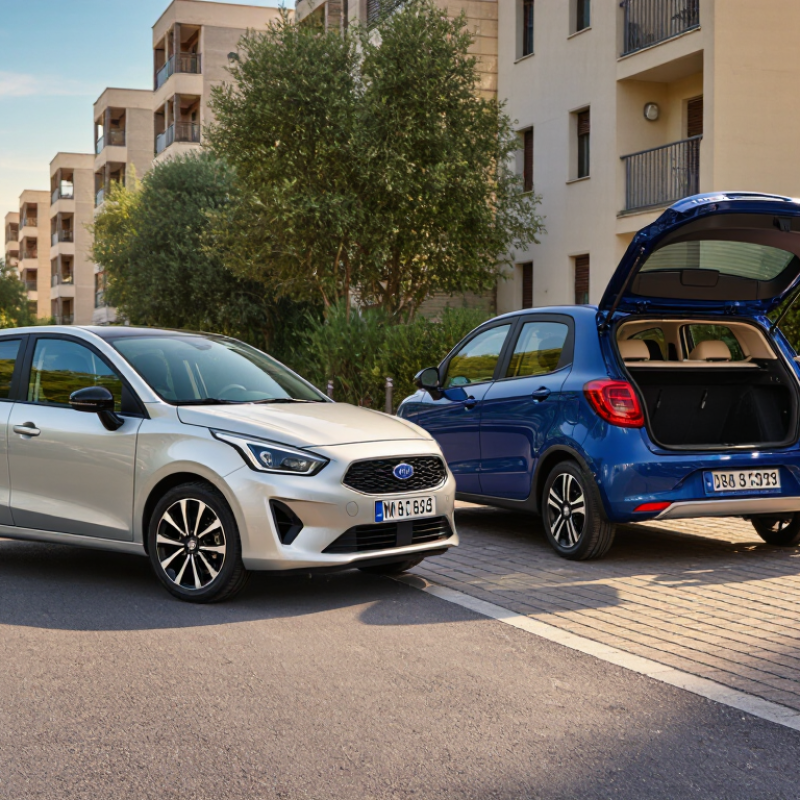
S&P Global Mobility reported that the average age of vehicles on U.S. roads reached 12.6 years in 2024. That figure reflects longer ownership, not a recommendation to buy a 12-year-old car. For many shoppers, a well-maintained compact sedan or hatchback is a sensible place to start. It often brings modest fuel use, common replacement parts, and manageable tire costs. Not exciting, perhaps. But repair bills matter.
Set a total budget before choosing a vehicle. Experian’s Q4 2024 State of the Automotive Finance Market report put the average used-car loan payment at $521 per month. That figure excludes insurance, registration, fuel, and repairs. Leave room for those costs, plus an unexpected battery or worn brakes. A lower purchase price can still become expensive.
Look beyond age and mileage. Ask for service records, check for uneven tire wear, and pay an independent mechanic to inspect the car before purchase. S&P’s 12.6-year average is useful context, but averages hide very different maintenance histories. I would not use it as a target. A slightly older car with clear records may suit your budget better than a newer one with neglected upkeep. Even then, inspections cannot promise trouble-free ownership.
What Is the Best Type of Second-Hand Car to Buy?
Set your budget with the age of the U.S. vehicle fleet in mind
The average U.S. light vehicle was 12.6 years old in 2024, continuing a multi-year rise. This is useful context when setting a budget: compare a car’s condition, maintenance history, and expected repair costs—not age alone.
Source: U.S. light-vehicle average-age figures, 2020–2024. Values are in years.
Compare Body Styles Using EPA Fuel-Economy Ratings by Model Year
What Is the Best Type of Second Hand Car to Buy?
Compare Body Styles Using EPA Fuel-Economy Ratings by Model Year
The best used body style depends on your daily routes, passenger needs, and fuel budget. EPA fuel-economy ratings offer a useful starting point, but compare vehicles from the same model year. A small hatchback may use less fuel than a larger SUV, yet engine, transmission, and drivetrain choices can change the numbers. Details matter. Check the exact configuration, not just the body style.
Compare EPA city, highway, and combined ratings for the model years you can afford. A newer model may show better estimates, but a well-maintained older car could be a better fit. Ratings are laboratory estimates, not promises. Short winter trips, heavy traffic, roof loads, low tire pressure, and worn components can reduce real-world mileage. I would not choose from one number alone; inspect service records and arrange an independent mechanical check.
Tips: Look up the exact model year and powertrain in EPA fuel-economy data. Compare combined ratings, then consider your typical drive. Note the odometer reading and tire condition during inspection. If your commute is mostly stop-and-go, pay close attention to city ratings. A small difference on paper may matter less than condition.
Prioritize Reliability: Consumer Reports Ranked Lexus No. 1 in 2024
Reliability should lead your search for a second-hand car. Consumer Reports’ 2024 reliability rankings placed one luxury marque at No. 1, offering a useful starting point for shoppers. A strong ranking suggests fewer reported problems across surveyed vehicles, but it cannot promise that a particular used car is trouble-free. Maintenance history, mileage, and driving conditions still matter.
Look beyond the badge. Ask for service records, check that warning lights behave normally, and arrange an independent inspection before buying.
On a test drive, listen for rattles over rough pavement and feel for hesitation when accelerating. Small details count.
A clean interior can hide neglected maintenance, while worn seat edges may reveal heavy use. I would be cautious about treating any ranking as a shortcut; that is easy to do when a listing looks polished.
Compare the specific model year’s reliability, common repair costs, and parts availability. Then match those facts against your budget and the car’s documented condition. A highly ranked make can still be the wrong purchase if its upkeep stretches your finances.
Screen Safety with IIHS Crash-Test Ratings for the Exact Model Year
A used car’s safety reputation can hide important year-to-year changes. Before arranging a test drive, look up the exact model year on the IIHS website. A redesign may alter the body structure, airbags, or available crash-prevention features. A rating from a nearby year is not a reliable substitute.
Check the individual crash-test results, not just an award label. Front overlap and side-impact tests can reveal how well the passenger space holds up. Also review headlight performance and crash-avoidance ratings; these may vary by trim or optional equipment. Details matter. Confirm that the car you are viewing has the equipment reflected in the rating, using its window sticker or vehicle records when available. IIHS results are useful evidence, but they cannot tell you how a particular used car was maintained or whether it has hidden collision damage. I’d treat a strong rating as a meaningful filter, not a promise of safety. That distinction is easy to overlook when a listing looks clean.
Check Value: iSeeCars Reports 45.6% Average Five-Year Depreciation
A five-year-old car can look like a bargain, but its price alone does not show how much value it has already lost. iSeeCars reports average five-year depreciation of 45.6% across its vehicle analysis. That makes depreciation a useful first filter: compare the current asking price with the vehicle’s original price, then check whether similar cars sell for less. A well-kept, ordinary family sedan or small SUV may be a sensible choice, but body style alone cannot predict resale value. Condition matters. So does mileage.
The American Automobile Association’s 2024 Your Driving Costs report puts average annual depreciation for a new vehicle at $4,680. That figure describes new-car ownership, not the value loss on every used car, but it shows why age and purchase price deserve close attention. Inspect service records, tire wear, paint mismatches, and the feel of the brakes during a test drive. Get an independent inspection, too. Small details count. I would not treat the 45.6% average as a forecast for one specific car; it covers a broad market, and local demand can change the numbers. A lower price may still hide costly repairs, and a popular model may retain value despite higher mileage. Compare several listings with similar age, mileage, and equipment before deciding.