What is the Best Vehicle Type Car for Global Buyers?
Choosing the best vehicle type car is a vital decision for global buyers. Different regions have unique preferences and requirements. For instance, European buyers often favor compact cars, while consumers in the United States lean towards SUVs and trucks. The vehicle type car you choose can influence comfort, fuel efficiency, and safety.
Many factors impact the decision-making process. Buyers consider climate, terrain, and even local regulations. It's essential to reflect on personal needs. A vehicle that excels in one environment may struggle in another. For example, an off-road SUV may be perfect for rugged landscapes but inefficient in urban settings.
Ultimately, the best vehicle type car aligns with your lifestyle and values. Evaluating options requires careful thought. This is not just about aesthetics. Reliability, maintenance costs, and fuel economy play crucial roles. Consider the long-term commitment of owning a vehicle. Choosing wisely can lead to satisfaction, while poor choices may lead to regret.
What Defines the Best Vehicle Type for Global Consumers?
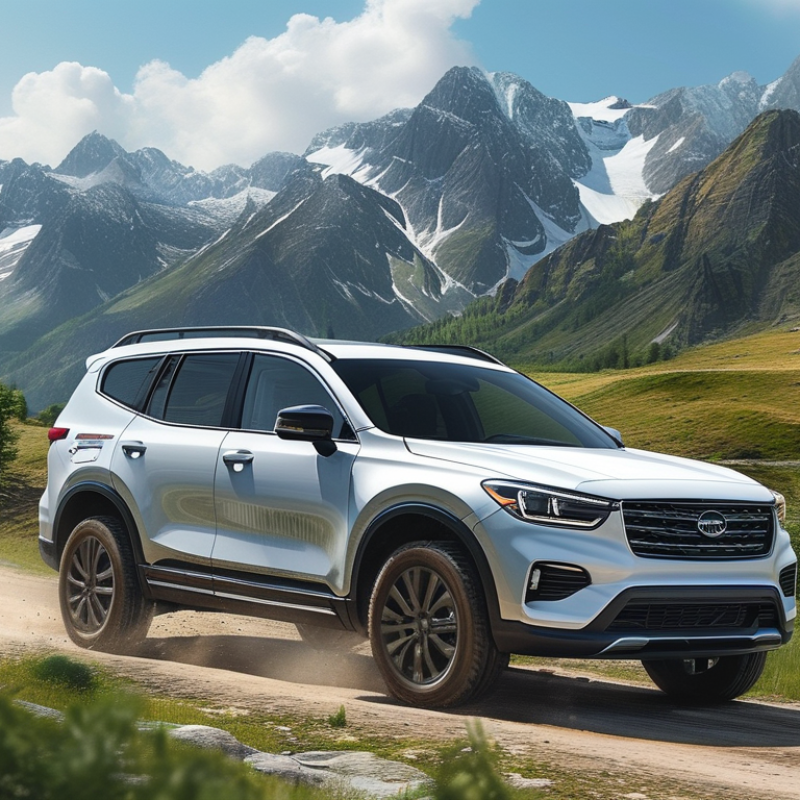
When considering the best vehicle type for global buyers, several factors emerge that define consumer preferences. Market research suggests that compact SUVs have gained traction worldwide. According to a recent report, compact SUVs accounted for 27% of total vehicle sales in 2022, demonstrating their broad appeal. These vehicles offer a balance of size, space, and efficiency. They cater to urban environments while still providing comfort for longer travels.
However, the pressure on manufacturers to produce sustainable options is intense. A 2023 survey revealed that 58% of consumers preferred eco-friendly vehicles as their next purchase. This shift indicates a demand for hybrid and electric options in the market. But not all regions have the same infrastructure to support electric vehicles. Buyers in urban centers often have access to charging stations, while rural consumers may not. Thus, the challenge lies in aligning vehicle types with local infrastructure.
Cultural preferences also play a role. In certain regions, larger vehicles may symbolize status and durability. Meanwhile, the rising trend of smaller, more energy-efficient cars reflects a growing preference for practicality. Balancing these conflicting desires is complex. Ultimately, the best vehicle type for global consumers hinges on a mix of personal values, environmental concerns, and regional characteristics. The industry must adapt continually to meet these evolving demands while ensuring reliability and performance.
Global Sales Trends: The Rise of SUVs and Crossovers
The automotive market has witnessed a remarkable shift in recent years, primarily driven by the increasing popularity of SUVs and crossovers. These vehicles are favored for their spacious designs, high driving positions, and enhanced safety features. Globally, consumers are gravitating towards these types of cars, seeking a blend of utility and comfort.
Sales data illustrates this trend clearly. SUVs and crossovers have consistently outperformed sedans and compact cars. In numerous regions, they now account for over half of all new car sales. This change reflects buyer preferences for practicality, as many families prioritize ample storage and passenger space. The rising interest in outdoor activities also plays a role, with consumers drawn to vehicles that can accommodate their hobbies.
However, this shift raises questions. Are we prioritizing size over efficiency? The environmental impact of larger vehicles can be significant, contributing to increased fuel consumption and emissions. While these cars offer comforts, they may also lead buyers to overlook smaller, more economical alternatives. As buyers navigate this evolving market, the challenge remains to balance desires for space, functionality, and sustainability.
Market Variations: Best-Selling Car Types in Different Regions
When exploring the global car market, regional preferences greatly influence vehicle type popularity. For instance, compact cars dominate urban centers in Europe, valued for their efficiency. According to a 2023 industry report, nearly 50% of new car sales in Western Europe focus on small vehicles. These cars effectively navigate narrow streets and align with environmental goals.
In contrast, the U.S. market shows a robust preference for SUVs and trucks, constituting about 70% of vehicle sales. Their spaciousness and versatility appeal to families and outdoor enthusiasts. A recent study indicates that customers increasingly prioritize safety features and technology in these larger vehicles. Interestingly, markets in Asia are catching up, with electrified models gaining traction. In China, electric vehicle sales surged by over 100% last year, showing a significant shift towards sustainability.
Tips: Consider your local traffic conditions when choosing a car. Evaluate how much space you need. Remember, different markets reflect diverse lifestyles and values. Observing these trends can guide your purchase decision effectively.
Environmental Considerations: The Shift Towards Electric Vehicles
The automotive industry is undergoing a significant transformation. With increasing awareness of climate change, many buyers now prioritize environmentally-friendly options. The shift towards electric vehicles (EVs) reflects this growing concern. These cars produce zero tailpipe emissions, reducing air pollution in urban areas. This is critical for cities struggling with poor air quality.
However, the transition to EVs isn't without challenges. Infrastructure for charging is still developing in many regions. Buyers may hesitate if charging stations are scarce. Additionally, the production of electric vehicles can involve resource-intensive processes. Mining for lithium, cobalt, and nickel can harm the environment. These factors raise questions about the overall sustainability of EVs.
Navigating this complex landscape requires awareness and research. Potential buyers must consider their local infrastructure, charging availability, and resource implications. Being informed will lead to better choices and a more sustainable future for all. The journey towards a greener automotive world is filled with hurdles, but every step counts.
What is the Best Vehicle Type Car for Global Buyers? - Environmental Considerations: The Shift Towards Electric Vehicles
| Vehicle Type |
Average Emissions (g CO2/km) |
Average Range (miles) |
Market Share (%) |
| Electric Vehicles (EVs) |
0 |
250 |
10 |
| Hybrid Vehicles |
70 |
600 |
25 |
| Plug-in Hybrid Vehicles |
40 |
300 |
15 |
| Gasoline Vehicles |
120 |
400 |
40 |
| Diesel Vehicles |
100 |
450 |
10 |
Consumer Preferences: Features That Influence Buying Decisions
When it comes to purchasing vehicles globally, several features sway consumer decisions. A recent study indicated that safety is a top priority for 67% of buyers. These buyers look for advanced safety technologies like automatic braking and blind-spot monitoring. With the rise in road traffic incidents, consumers are increasingly aware of the importance of safety features in their vehicles.
Fuel efficiency comes next on the list of must-have features. According to data from automotive analysts, 55% of potential buyers prefer vehicles that offer better mileage. Rising fuel prices make efficient cars attractive. The trend shows that electric vehicles are gaining traction, fueled by environmental concerns. Many buyers now view sustainability as an essential factor in their decision-making process.
However, the variety of available features can lead to confusion. Consumers often feel overwhelmed by the choices. A report from a leading market research firm noted that 40% of buyers regret not considering certain technological features. This realization sparks a need for consumer education in the automobile sector. As preferences evolve, manufacturers must adapt and provide clear information on vehicle benefits.