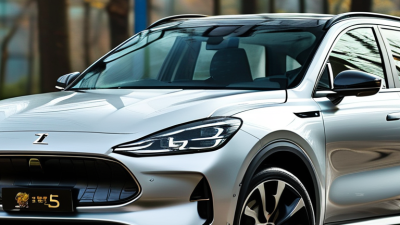
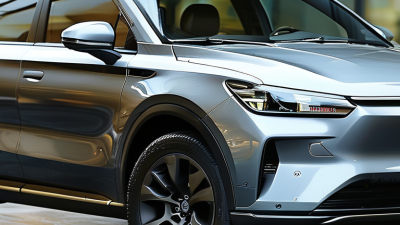
How to Buy a BYD Leopard 5 in 2026?
Buying a Byd Leopard 5 in 2026 starts with checking what is actually offered in your market. The model is a plug-in hybrid SUV, but its name, trim levels, equipment, and warranty terms may differ by region. Availability can change, too. Confirm current details with an authorized local retailer rather than relying on an old review or listing.
Before visiting a showroom, decide how you will use the vehicle. A weekly commute, long highway trips, and rough rural roads call for different priorities. Ask the dealer for the exact trim, written on-road price, delivery estimate, warranty coverage, and service schedule. If you can, inspect the cabin, sit in the rear seats, and test the controls yourself. Check charging requirements and whether nearby charging suits your routine. Small details matter.
Compare the full ownership picture, not just the headline price. Request an itemized quote and clarify which accessories or fees are included. Read the vehicle documents carefully, and confirm that the vehicle identification details match the offer. For technical claims, favor official BYD materials and written dealer information; specifications can vary. A test drive is useful, but it cannot answer every question. That part is easy to forget. Keep notes after each visit, then compare the options at home. Even a tidy spreadsheet may miss the feel of a heavy vehicle in a tight parking space. This guide will help you prepare questions, assess costs, and make a more informed decision—without assuming every buyer or market has the same answer.
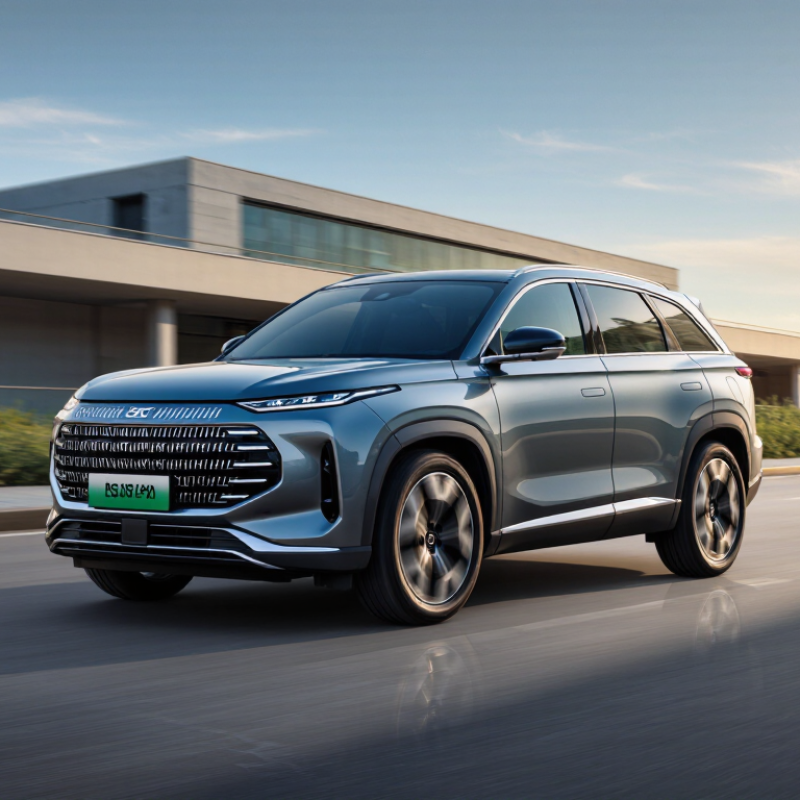
Confirm 2026 Availability, Local Import Rules, and Model-Year Certification
How to Buy a BYD Leopard 5 in 2026?
Before paying a deposit, confirm that the vehicle is available for export and that the seller can supply its full VIN, production date, and model-year documents. A 2026 registration does not necessarily mean a 2026 model year. Ask the destination country’s transport authority or customs office which documents it requires for this exact vehicle. These may include a certificate of conformity, emissions records, and proof of compliance with local safety standards. Check the paperwork. Confirm that the VIN matches across the invoice, shipping documents, and vehicle plate.
Import eligibility can vary by country, even when a vehicle is offered for sale abroad. Verify approval before shipping, including rules on left- or right-hand drive, lighting, charging connectors, and warranty coverage. The International Energy Agency’s Global EV Outlook 2024 reported nearly 14 million electric-car sales worldwide in 2023, about 18% of total car sales. That growth signals a changing market, not guaranteed local approval or parts support. Do not assume.
Tips: Request clear photos of the VIN plate and certification documents, then have the relevant authority confirm the documents in writing. Keep a reserve for inspection, taxes, port storage, and any required modifications. One detail is easy to miss: confirm that the charger works with your home supply before the vehicle arrives.
Compare Trim-Specific Specs: 31.8-kWh Battery and 125-km CLTC EV Range
When comparing 2026 trims, focus on the 31.8-kWh battery and the stated 125-km CLTC electric range. Treat these as trim-specific figures, not guaranteed road results. CLTC testing uses set conditions; speed, temperature, terrain, and cabin heating can change usable range. A cold morning commute may consume more energy than the test suggests. Check the exact trim’s specification sheet, battery warranty, and charging details before paying a deposit. Check the paperwork.
The International Energy Agency’s Global EV Outlook 2025 projects more than 20 million electric-car sales worldwide in 2025, making careful specification checks increasingly relevant. Still, a larger market does not make every range claim comparable. Ask whether the 31.8-kWh figure is gross or usable capacity, and request the stated charging time and test conditions in writing. During a test drive, note the displayed range after several kilometres, then compare it with the starting estimate. One drive is not a controlled test, though. Keep that limitation in mind when judging whether 125 km suits your regular route.
Evaluate DMO Powertrain Ratings, Including 200-kW and 285-kW Motors
When assessing a dual-motor hybrid off-roader in 2026, treat 200 kW and 285 kW as peak motor ratings, not guaranteed wheel output. Confirm which axle each motor drives and whether the figures come from the exact trim’s technical filing. Peak figures mislead. The motors may not deliver maximum power continuously; battery temperature, charge level, inverter limits, and traction settings all matter. On a test drive, try a steep, loose surface and a safe highway merge. Notice whether acceleration stays consistent after repeated demands.
Do not simply add the ratings and assume 485 kW reaches the wheels. The control system coordinates both motors with the combustion engine, and published system output may use a different test basis. Check the vehicle’s official specification sheet, then compare it with an independent road test that reports sustained performance, fuel use, and battery behavior. Small print matters.
Market context can help with ownership comparisons. The International Energy Agency’s Global EV Outlook 2025 says electric-car sales exceeded 17 million worldwide in 2024, topping one-fifth of new-car sales. China’s automobile industry association reported 12.866 million new-energy vehicle sales that year, up 35.5 percent. Those figures do not predict this model’s resale value, but they show why buyers should compare warranty coverage, service access, and used listings rather than rely on headline power alone. I would still want clearer public data on repeated high-load performance.
Calculate Total Cost: Purchase Price, Taxes, Insurance, and Charging
The purchase price is only the starting point when budgeting for a plug-in hybrid SUV in 2026. Ask for a written, itemized quote that separates the vehicle price, delivery charges, optional equipment, and registration costs. Taxes vary by location and may depend on the vehicle’s price or powertrain. Check current local rules before estimating them. Small fees add up.
Insurance deserves its own estimate. Request quotes using the exact trim and your expected annual mileage; repair costs, driving history, and address can change premiums substantially. Then calculate charging costs from your home electricity rate and likely electric miles. For example, note the rate per kilowatt-hour on a recent utility bill and estimate how often you will charge each week. Public chargers may cost more. Keep a little room for uncertainty.
A realistic monthly budget should include payments, taxes and fees, insurance, and electricity, plus fuel for longer trips if the vehicle uses a combustion engine. Compare home charging with your actual parking setup; a driveway outlet and a shared garage are not the same. A budget can look neat on paper. Real charging access is messier. Before committing, get insurance and charging estimates in writing, then leave a modest buffer for costs you cannot predict. I would not treat a single online calculator as a final quote.
Illustrative 2026 Plug-In Hybrid SUV Cost Estimate
Estimated purchase price, purchase tax, first-year insurance, and one year of home charging in China (CNY).
Estimated first-year total: CNY 268,862. The tax estimate assumes a CNY 250,000 purchase price and the 2026 half-rate purchase-tax policy. Charging assumes 15,000 km per year, 20 kWh per 100 km, and CNY 0.60 per kWh. Actual prices, tax eligibility, insurance premiums, and electricity rates vary.
Inspect and Test-Drive the Vehicle; Verify Warranty and Service Coverage
Before buying a used or new off-road SUV, inspect it in daylight and take your time. Look for uneven paint, mismatched panel gaps, tire wear, and damage beneath the vehicle. Check that the lights, cameras, screens, and climate controls work. Start the vehicle cold if possible; unusual rattles may be easier to notice then. On the test drive, use both smooth roads and rougher surfaces. Pay attention to braking, steering, suspension noises, and visibility. A quiet cabin feels reassuring, but it does not prove the vehicle is mechanically sound.
Tips: Bring a written checklist and note any concerns during the drive. Ask for a professional inspection if something feels uncertain. I would not rely on a quick lap around the block; it can miss problems.
Before signing, request the warranty terms and service coverage in writing. Confirm when coverage begins, what parts are excluded, and whether routine maintenance is included. Ask about service locations near home and along routes you travel often. Check expected maintenance intervals, labor charges, and any limits on roadside assistance. Make sure verbal promises appear in the documents. Coverage can sound broad in conversation, yet the exclusions may change its real value. Don’t rush this part. A clear answer today is easier to verify than a vague promise later.