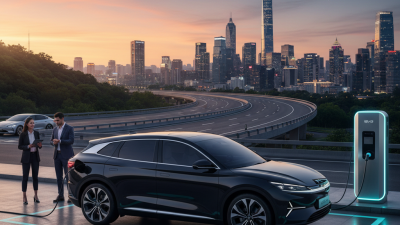
China Top 10 Electric Car Models for Global Buyers
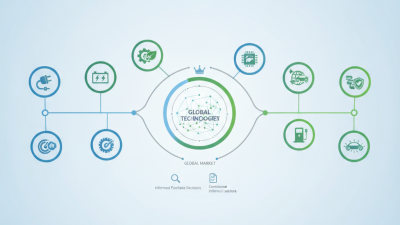
China’s electric-car market is no longer a niche experiment. It is a major force shaping the choices available to global buyers. The International Energy Agency’s Global EV Outlook 2024 reports that China recorded about 8.1 million electric-car registrations in 2023, roughly 60% of the global total. Worldwide sales approached 14 million that year. Those figures explain why China’s Electric Car Models deserve close attention. They do not, by themselves, tell buyers which car to choose.
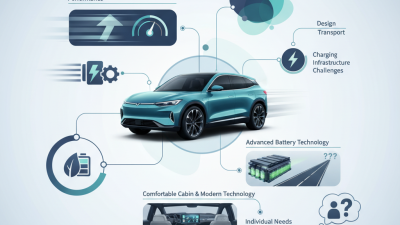
This guide examines ten models through practical details: driving range, charging, cabin space, technology, and likely ownership trade-offs. The IEA notes that China’s electric-car market includes a wide range of vehicle types and price points. That variety matters on the ground. A compact car may suit narrow city streets and short commutes, while a larger model may better handle family luggage or longer journeys. But published range figures are not perfectly comparable across testing systems, and real-world results can shift with speed, weather, and heating use. Small details count.
The selection is intended as a starting point, not a universal verdict. Availability, servicing, software, and charging access differ by destination, so buyers should verify local specifications before making a decision. No ranking removes every compromise. That is worth remembering.
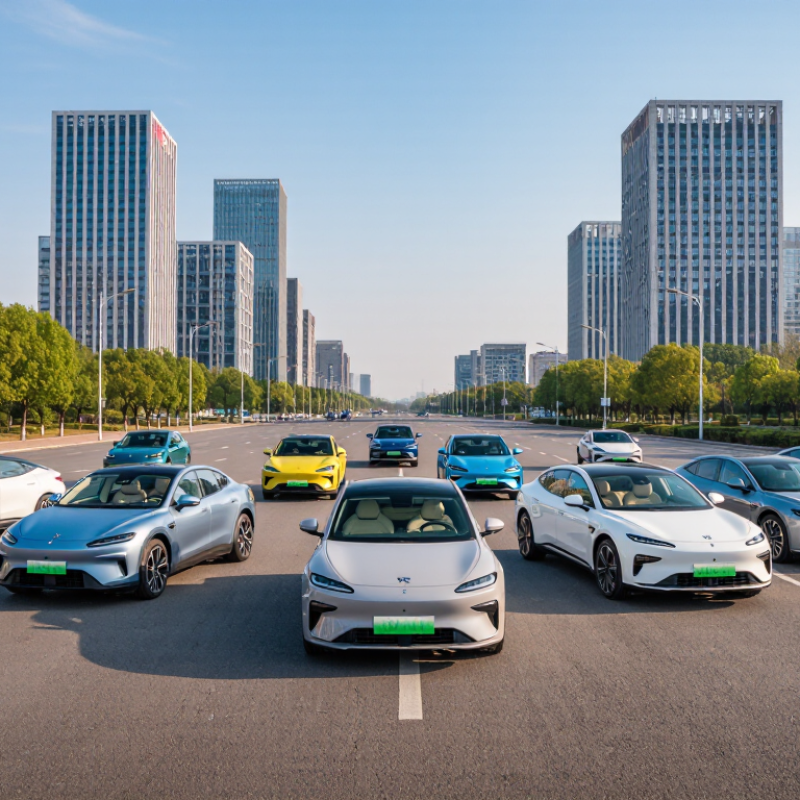
Electric Vehicle Market in China and Its Global Expansion
China’s electric vehicle market has moved from policy support to intense consumer competition. The country now produces many capable models for global buyers, including compact city cars, family sedans, crossovers, and long-range sport utility vehicles. The top 10 choices often differ in battery size, software quality, charging speed, and export readiness. Some offer more than 500 kilometers of claimed range, but real driving results may fall lower in cold weather or heavy traffic. That gap deserves attention.
Global expansion is changing how these vehicles are designed. Export-focused models increasingly support multiple languages, right-hand or left-hand driving, and regional charging standards. Strong safety testing, reliable service networks, and clear warranty terms matter as much as acceleration. From practical buying research, software updates can also affect daily convenience. Yet public charging coverage remains uneven in many countries. Imported parts may cause delays, and resale values are still difficult to predict. The market is promising, but not perfectly mature.
Tips: Compare certified range tests, battery warranties, and local repair access before choosing a model. Check charging compatibility at home and during longer trips. A smaller battery may suit city driving better than an expensive long-range version. Buyers should also inspect winter performance, luggage space, child-seat fitting, and insurance costs. Test drives reveal details that online specifications often hide.
Key Criteria for Comparing China’s Top Electric Car Models
Comparing China’s top electric car models for global buyers requires more than checking advertised range. The IEA’s Global EV Outlook 2024 reported nearly 14 million electric car sales worldwide in 2023. China accounted for about 60% of them. That scale supports competitive pricing, but specifications can vary between domestic and export versions. Buyers should verify usable battery capacity, winter range, and charging standards in their own market.
Charging speed deserves careful testing.
A model claiming rapid charging may need a warm battery, a high-power station, and a low state of charge. Real trips are less perfect. The International Council on Clean Transportation links reliable public charging with greater electric vehicle adoption, yet charger availability remains uneven across countries. Compare charging curves, not only the peak figure. A ten-minute stop can feel very different at 20% or 70% battery level.
Battery chemistry, safety testing, warranty coverage, and software support also matter.
BloombergNEF reported average lithium-ion battery pack prices of $139 per kilowatt-hour in 2023, with China recording lower average prices. Lower costs may improve value, but they do not automatically prove durability. Check independent crash results, repair access, parts supply, and battery warranty conditions. The IEA also highlights the importance of lifecycle emissions, which depend on electricity sources and manufacturing. A lower purchase price can hide higher ownership costs. Sometimes, the cheapest model is not the most practical one.
China’s Top 10 Electric Car Models for International Buyers
For international buyers, China’s electric-car market offers ten practical choices across different driving needs.
A compact city hatchback suits narrow streets and short commutes. A small sedan adds better rear-seat comfort. A midsize sedan brings stronger highway stability and quieter travel. An executive sedan focuses on long-distance comfort, advanced driver assistance, and generous cabin space.
An urban crossover provides a higher driving position without excessive size.
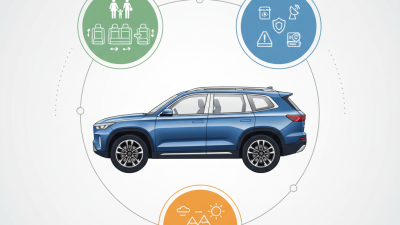
A family SUV adds flexible seats, a large boot, and useful rear ventilation. A larger SUV works better for seven passengers, although energy use can rise sharply. An electric MPV gives families sliding doors and easy third-row access. A rugged electric SUV targets poor roads, but its weight may reduce efficiency. An extended-range model can help buyers facing limited public charging.
International customers should examine more than battery capacity.
Check charging connectors, software language, navigation coverage, and local warranty support. Confirm whether the vehicle meets destination-country safety and lighting rules. Battery temperature control matters in both freezing winters and very hot regions. Independent crash-test data deserves more trust than glossy cabin screens.
A careful test drive should include a steep road, a crowded car park, and fast charging.
Try the rear seats yourself. Some impressive specifications feel less useful in daily life. Parts availability may also differ greatly between countries. The most attractive price is not always the lowest ownership cost, and export support remains uneven for some models.
Global Availability, Pricing, and Ownership Considerations
A global shortlist of ten Chinese electric cars should be judged by local access, not headline range alone. The IEA’s Global EV Outlook 2024 reports nearly 14 million electric-car sales in 2023, about 18% of new-car sales worldwide. China accounted for nearly 60% of those sales. Yet availability varies sharply: a model sold domestically may not have an official importer, local warranty, or compatible charging equipment in another country.
Check the delivered price, not just the advertised one.
Shipping, import duties, taxes, and currency movements can change the final bill. The IEA also reports that China exported around 1.2 million electric cars in 2023, but export volume does not guarantee nearby parts or trained repair staff. That matters. Ask who handles battery diagnostics, how long common parts take to arrive, and whether the warranty remains valid after resale. A low sticker price can become less attractive if repairs mean weeks of waiting.
Ownership costs depend on electricity tariffs, home-charging access, insurance, and cold-weather range. Compare charging-port compatibility and real local service coverage before choosing. Independent range tests help, but results differ with speed, temperature, and cabin heating. Some details remain frustratingly hard to verify across markets. A careful buyer should request written warranty terms and a local service contact before placing a deposit.
Safety, Technology, and After-Sales Support Across Markets
Choosing among China’s top ten electric car models requires more than range claims. Safety performance must travel across markets. The IEA’s Global EV Outlook 2024 recorded over 14 million electric car sales in 2023. That growth increases pressure on manufacturers to provide consistent protection. Euro NCAP testing now examines driver assistance, child safety, and post-crash rescue information. Buyers should check the exact market specification. Safety equipment can differ.
A well-tested vehicle should offer clear lane warnings, predictable emergency braking, and readable instrument displays. I would also inspect charging behavior in rain, cold weather, and crowded stations. UNECE Regulations R155 and R156 address vehicle cybersecurity and software updates in participating markets. Yet compliance does not guarantee a flawless user experience. Poor translations, delayed updates, or confusing alerts can still undermine trust.
After-sales support often decides ownership satisfaction. The IEA reports that global public charging points exceeded four million in 2023, but coverage remains uneven. Buyers should verify local fast-charging access, battery diagnostic procedures, replacement-part availability, and technician training. Warranty terms need careful reading, especially for battery capacity and software faults. A helpful service center should provide repair timelines in writing. Remote support is useful, but it cannot replace skilled local technicians. My own checklist would include a cold-start test, a sample service call, and one uncomfortable question: what happens after a serious battery fault?