
A Secondhand Car can offer dependable transport at a lower price than a new model, but “used” does not automatically mean “good value.” The term usually describes a vehicle previously owned or registered by someone else. Its age, mileage, maintenance, and accident history can vary widely. Two cars with the same badge may feel completely different on the road.
John Ibbotson, Consumer Reports’ director of auto testing, has emphasized checking a vehicle’s condition before making a purchase. A concise paraphrase of that guidance is: “Look beyond the shine; verify the condition.” That matters. A polished dashboard cannot reveal worn brakes, neglected oil changes, or a warning light that appears only after a longer drive. Service records, an independent inspection, and a careful test drive help buyers assess what the asking price does not show.
Is a Secondhand Car worth buying? Often, yes—when its condition and total ownership costs make sense. A lower sticker price can be offset by repairs, fuel use, insurance, or missing maintenance records. Not always. Buyers may also face compromises in technology, comfort, or warranty coverage. The honest answer depends on the individual car, not a blanket promise about used vehicles. This guide will explain what “secondhand” means, what to check before buying, and how to weigh potential savings against risk. A clean-looking car can still hide problems; even careful research cannot remove every uncertainty.
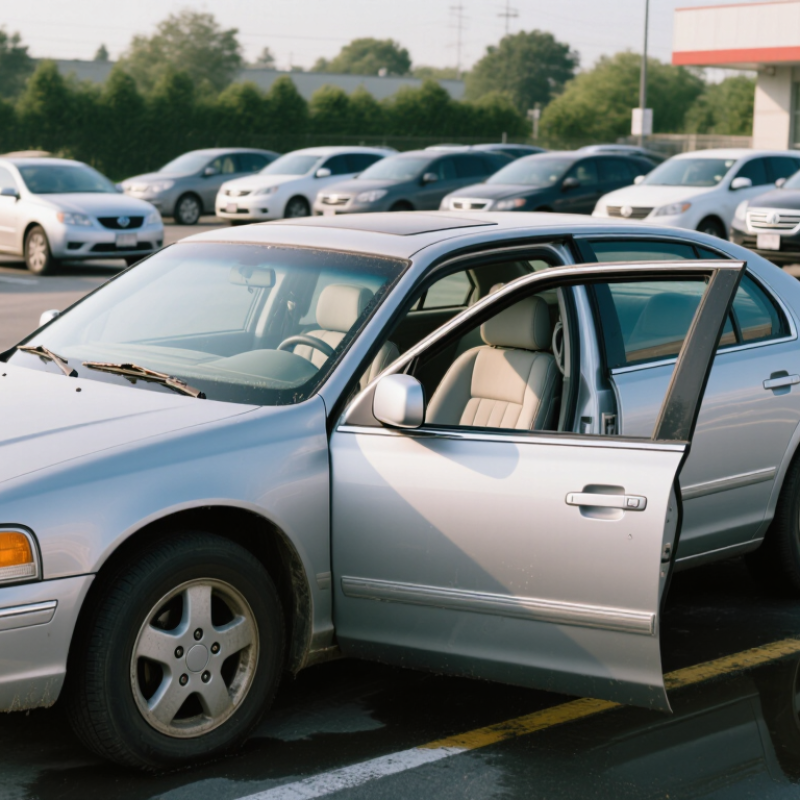
A secondhand car is a vehicle that has had at least one previous owner. It may have been driven for years or used briefly as a dealer demonstrator. Its age, mileage, condition, and maintenance history can vary widely. “Used” and “secondhand” generally describe the same kind of vehicle.
A new vehicle has not had a previous retail owner and usually has little or no driving history. It may come with a manufacturer’s warranty, but coverage and terms differ. A secondhand car may cost less, yet its past use matters. Check service records, ownership documents, tire wear, and signs of repaired damage. During a test drive, listen for unusual engine noise and notice how the brakes feel. A polished cabin is not proof of careful maintenance. I would not rely on appearance alone; even a detailed inspection can miss a developing fault. The distinction is clear, but deciding whether a used car is worthwhile takes evidence, not optimism.
Tips: Arrange an independent inspection before buying. Compare the vehicle’s mileage with service records, and ask about warning lights or recent repairs. If records are incomplete, pause and consider why.
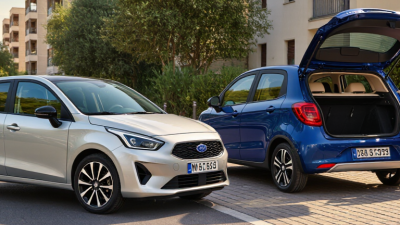
A secondhand car is a vehicle that has had at least one previous owner. Its age matters less than its documented history and present condition. Ask who owned it, how long they kept it, and why they are selling. Compare the ownership details with registration documents and service invoices. Dates and recorded mileage should form a believable sequence. A gap is not proof of trouble, but it deserves a clear explanation.
Vehicle-history records can reveal reported collisions, title changes, mileage discrepancies, or outstanding recalls. They are useful, not complete. Not every repair or incident appears in a database. Check the car in daylight, including the tire wear, paint edges, and dampness beneath floor mats. Start the engine when it is cold. Then arrange an independent inspection; a short test drive cannot expose every fault. I would not treat a clean report as a clean bill of health.
Tips: Match the vehicle identification number on the car to its paperwork. Keep copies of records, and ask for missing service details in writing. If answers feel rushed, pause. That small delay may save you from an expensive surprise.
A secondhand car is a vehicle sold after at least one previous owner. It may be nearly new or have many years behind it. Cox Automotive estimated 20.1 million U.S. used-vehicle sales in 2024. Plenty of choice. But sales volume alone does not prove a car is fairly priced or reliable. Value depends on age, mileage, maintenance records, accident history, and local supply. A shiny hood can hide neglected brakes.
The budget deserves equal attention. Experian’s Q4 2024 State of the Automotive Finance Market report put the average used-vehicle loan at $26,144, with an average monthly payment of $521. Those are market averages, not personal quotes. Taxes, insurance, repairs, and financing terms can push real costs higher. Leave room for surprises. Before buying, compare similar listings and request a vehicle-history report and an independent inspection. Check tire wear, fluid leaks, warning lights, and whether the engine starts smoothly when cold. A low price is not a guarantee of good value.
| Assessment Dimension | Fact or Check | Why It Matters |
|---|---|---|
| U.S. used-car market | An estimated 20.1 million used vehicles were sold in the United States in 2024. | This estimate indicates a large, active market; it does not by itself determine whether a particular car is a good deal. |
| Meaning of “secondhand” | A secondhand, or used, car is a vehicle that has had a previous owner. | Its age, condition, ownership history, and remaining useful life can vary substantially from one vehicle to another. |
| Price comparison | Compare vehicles with similar model year, configuration, mileage, condition, and location. | A headline price alone is not a reliable measure of value if the vehicles differ in equipment or condition. |
| Depreciation | Used vehicles have already undergone some depreciation, although the amount varies by vehicle and market conditions. | A lower purchase price may reduce the cost of entry, but it should be weighed against expected repairs and future resale value. |
| Mechanical condition | Check tires, brakes, steering, suspension, warning lights, fluid leaks, and the operation of major systems. | Visible wear or a clean appearance cannot establish the condition of components that require testing or inspection. |
| Vehicle history | Review available title, odometer, ownership, accident, and maintenance records. | Records can help identify title issues, inconsistent mileage, prior damage, or gaps in documented maintenance. |
| Independent inspection | Arrange an inspection by a qualified mechanic before purchase when possible. | An inspection can reveal problems that may not be obvious during a short test drive and can help estimate repair needs. |
| Total ownership cost | Include the purchase price, taxes and fees, financing, insurance, fuel, maintenance, and likely repairs. | The least expensive listing may not be the least expensive choice over the period you plan to own the car. |
| When it may be worth buying | The car has a suitable history, passes an inspection, meets your needs, and is priced fairly against comparable vehicles. | A secondhand car can be a worthwhile purchase when its condition and total cost fit your budget and intended use. |
Market figure: estimated U.S. used-vehicle sales for 2024. Individual vehicle values depend on condition, location, equipment, and market demand.
A secondhand car has had at least one previous owner, but its age alone does not tell you whether it is a sensible buy. In 2024, S&P Global Mobility put the average age of vehicles in the United States at 12.6 years. That figure suggests many cars remain in use well beyond their early years. It does not mean every older car is dependable.
Condition matters more than the number on the odometer. Look for maintenance records, uneven tire wear, warning lights, rust around the wheel arches, and leaks beneath the engine. A cold start can reveal rough idling or unfamiliar noises. Have an independent mechanic inspect the car before you commit. Small repairs add up.
A well-maintained vehicle with clear service history may offer useful value, even at higher mileage. But a low purchase price can hide worn brakes, aging tires, or overdue maintenance. Budget for repairs, and check that the car suits your daily routes and parking space. I would not treat the national average as a promise; it is a reminder to judge each car on its own evidence.
Check longevity: the average age of vehicles on U.S. roads reached 12.6 years in 2024.
The slight increase suggests vehicles are staying on the road longer. A secondhand car may offer years of use, but its condition and maintenance history matter more than the national average.
Source: Reported U.S. vehicle average-age figures for 2023 and 2024.
A secondhand car can look dependable in a sunny driveway and still hide expensive problems. Check it in daylight, then arrange an independent inspection before agreeing to buy. Ask the mechanic to examine the frame, brakes, tires, fluid leaks, battery, and warning lights. Request a cold start, too; unusual smoke or rattling may disappear once the engine warms. Looks can deceive.
Review service records and compare the odometer reading with dated maintenance notes. Missing paperwork does not prove neglect, but it leaves more unanswered questions. Take a careful test drive on familiar roads. Notice pulling, vibration, delayed gear changes, or a soft brake pedal. If anything feels wrong, ask for a second opinion rather than explaining it away.
The asking price is only one part of the cost. Estimate insurance, registration, fuel, and immediate repairs, then keep a reserve for surprises. A worn tire set or weak battery can change an appealing deal quickly. Get repair estimates before negotiating, not after. Be honest about your budget: a slightly cheaper car may demand more time and money than you can spare. I would not treat a spotless interior as evidence of careful ownership; that is an easy mistake. If the seller resists inspection or pressures you to decide today, walking away may be the less costly choice.