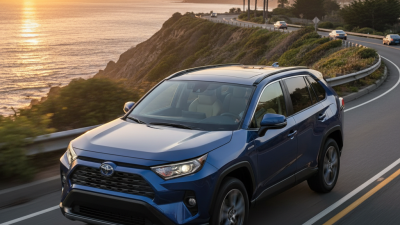
Choosing the best Model Of A Vehicle is rarely about finding one perfect badge. It is about matching a vehicle’s design, cost, and daily behavior to your real life. A compact hatchback may feel ideal in city traffic, yet seem cramped during weekend trips. A large SUV may offer comfort and space, but its fuel costs can become frustrating over time. The best choice depends on how, where, and why you drive.
Reliable decisions require more than attractive advertisements or impressive horsepower figures. Official specifications reveal fuel economy, cargo capacity, safety equipment, warranty coverage, and service intervals. Independent safety results add another useful layer. A careful test drive can expose details that brochures omit, such as poor visibility, stiff suspension, or awkward controls. Owner reviews also matter, especially when repeated complaints mention expensive repairs or uncomfortable seats. Still, online opinions can be emotional and incomplete.
Real experience often changes the decision. A vehicle that feels smooth on a dealership road may behave differently on rough streets. Try the rear seats with actual passengers. Place a stroller, work bag, or grocery boxes inside the cargo area. Listen for wind noise at highway speed. Small details become important later. I would not pretend every recommendation is certain, because prices, trims, and regional conditions change. Personal priorities can also be overlooked. This guide examines practical categories, ownership costs, reliability evidence, comfort, safety, and long-term value, helping readers compare models with clearer expectations rather than simple excitement.
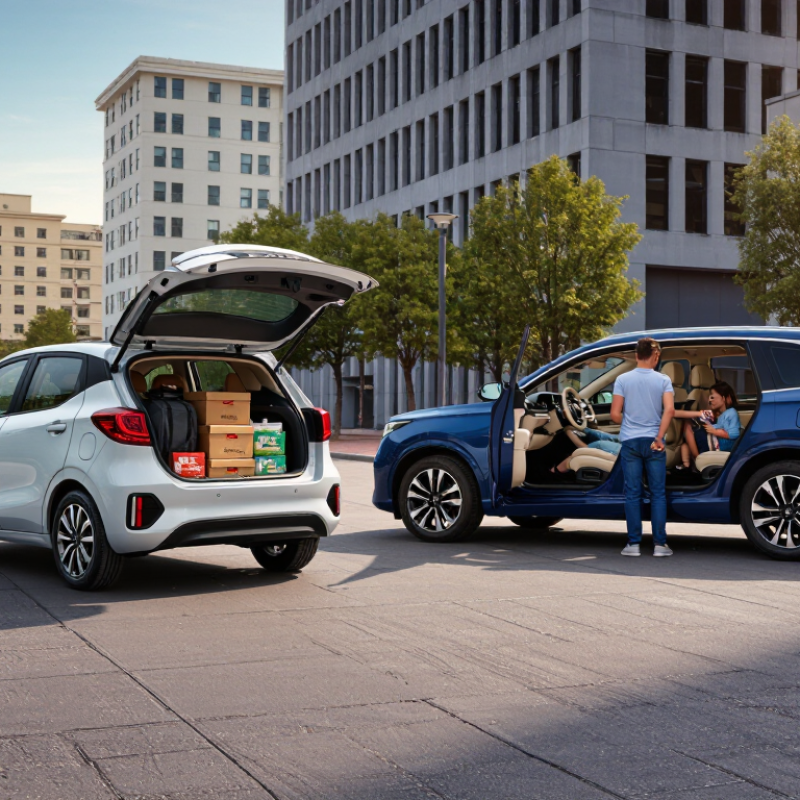
The best choice begins with the vehicle category, not the dashboard design.
A sedanusually offers stable handling, a quiet cabin, and efficient fuel use. Its low body can make entry harder for some drivers.
A hatchbackprovides a shorter rear section and flexible cargo space. Folded seats can hold a bicycle, grocery crates, or a small suitcase. However, its cabin may feel less spacious than an SUV.
SUVsoffer higher seating, greater ground clearance, and easier access on uneven roads. That height can improve visibility, but it may increase fuel consumption and parking difficulty.
A pickupsuits regular hauling, towing, or outdoor work. Its open bed is useful, yet heavy loads can reduce ride comfort.
A minivanoften provides the most practical family space, with sliding doors and flexible seating. It is less fashionable to some buyers. That should not decide the purchase.
An electric vehicle is a powertrain category rather than a body style. It can be a sedan, hatchback, or SUV. Its driving range, charging access, battery warranty, and cold-weather performance need careful checking.
In my experience, a short commute can make range less important than home charging. I once underestimated cargo height when comparing two similar vehicles.
Measure your garage, child seats, luggage, and usual parking space. A test drive should include narrow streets, rough pavement, and a full turn into a parking place. Manufacturer claims help, but real ownership depends on climate, road conditions, maintenance support, and daily habits.

What Is the Best Model of a Vehicle to Buy?
Key Factors for Matching a Vehicle to Your Needs
Choosing the best vehicle model begins with an honest picture of your daily routine. A glossy cabin may impress you during a short showroom visit. It may feel less practical after three weeks of school runs and grocery trips. I have learned to record real habits before comparing vehicles. Write down your usual passengers, luggage, road surfaces, and parking limits. If you carry sports equipment, measure the storage space with the seats upright. A compact vehicle can handle city streets easily. Cramped rear seating may become frustrating.
Driving conditions matter. Frequent city trips favor easy steering, clear visibility, and strong fuel efficiency. Rough roads require useful ground clearance and durable suspension. In colder climates, dependable heating and tire performance deserve close attention. Ask an independent technician to inspect a used vehicle. Their inspection can reveal leaks, uneven tire wear, or costly repairs. A test drive should include tight turns, hills, traffic, and quiet roads. Notice seat support and cabin noise.
Budgeting requires more than checking the purchase price. Estimate energy costs, insurance, tires, routine servicing, and likely repairs. Check warranty terms and maintenance records carefully. I once underestimated tire replacement costs, and that mistake changed my buying criteria. Still, spreadsheets cannot measure comfort perfectly. Leave room for personal preferences, but question expensive features you rarely use. During the final inspection, open every door, adjust the seat, and picture an ordinary Tuesday.
| Vehicle Type | Best Match For | Typical Seating | Typical Cargo Capacity | Typical Fuel Economy | Main Strengths | Potential Trade-Offs | Overall Fit |
|---|---|---|---|---|---|---|---|
| Subcompact Car | Urban drivers, students, and buyers who prioritize affordability and easy parking | 4–5 people | Approx. 10–15 cubic feet behind the rear seats | About 30–40 mpg combined for gasoline models | Low purchase and running costs, compact dimensions, and good maneuverability | Limited rear-seat room, modest cargo space, and less highway comfort | Best for city value |
| Compact Sedan | Commuters and small households seeking balanced efficiency, comfort, and practicality | 5 people | Approx. 13–16 cubic feet in the trunk | About 28–38 mpg combined for gasoline models | Efficient operation, stable handling, comfortable road manners, and predictable ownership costs | Less flexible cargo access than a hatchback or SUV | Best all-around commuter |
| Midsize Sedan | Drivers who make frequent highway trips or need additional passenger comfort | 5 people | Approx. 15–18 cubic feet in the trunk | About 25–36 mpg combined, depending on powertrain | More rear-seat space, a quieter cabin, and better long-distance comfort | Usually less cargo flexibility and ground clearance than an SUV | Best for highway comfort |
| Hatchback | Buyers who want car-like efficiency with flexible cargo loading | 4–5 people | Approx. 18–25 cubic feet behind the rear seats; considerably more with seats folded | About 28–38 mpg combined for gasoline models | Useful rear opening, adaptable cargo area, compact footprint, and efficient driving | Some models have tighter rear seating and more road noise | Best for flexible urban use |
| Subcompact SUV | Small families and active drivers who want a higher seating position | 5 people | Approx. 20–27 cubic feet behind the rear seats | About 26–35 mpg combined for gasoline models | Easy entry, useful cargo height, available all-wheel drive on some models, and compact dimensions | Often costs more and uses more fuel than a similarly sized car | Best small crossover balance |
| Compact SUV | Families needing everyday versatility, passenger space, and occasional outdoor capability | 5 people, with some configurations seating 7 | Approx. 25–40 cubic feet behind the rear seats | About 24–32 mpg combined for gasoline models | Strong cargo flexibility, comfortable ride height, practical rear seating, and optional all-wheel drive | Higher purchase price, insurance, and fuel costs than most compact cars | Best family versatility |
| Midsize SUV | Larger families, road-trip drivers, and buyers who need more passenger or towing capacity | 5–8 people, depending on configuration | Approx. 30–50 cubic feet behind the second row | About 19–28 mpg combined for gasoline models | Spacious cabin, strong cargo capacity, comfortable long-distance travel, and available towing equipment | Higher fuel consumption, larger exterior dimensions, and more difficult parking | Best for growing families |
| Minivan | Large families that regularly carry people, child seats, and bulky items | Usually 7–8 people | Approx. 30–40 cubic feet behind the third row; much more with rear seats folded or removed | About 20–28 mpg combined; hybrid versions may achieve higher efficiency | Excellent passenger access, sliding doors, adaptable seating, and outstanding interior storage | Less ground clearance and a less sporty driving character than many SUVs | Best for maximum family practicality |
| Pickup Truck | Owners who regularly haul materials, tow equipment, or work on demanding jobsites | 2–6 people, depending on cab configuration | Bed length commonly ranges from about 5 to 8 feet | About 16–25 mpg combined for many gasoline models | Useful cargo bed, strong towing potential, durable construction, and available four-wheel drive | Large size, higher fuel and tire costs, and reduced maneuverability in urban areas | Best for hauling and towing |
| Hybrid Vehicle | High-mileage commuters and drivers who want lower fuel use without depending on charging | Usually 5 people | Comparable to the related sedan or SUV, although battery packaging may reduce some space | About 40–55 mpg combined in efficient passenger-car applications | Excellent city efficiency, regenerative braking, and no need for external charging | Higher purchase price in some cases and potentially more complex powertrain servicing | Best for fuel savings without charging |
| Battery-Electric Vehicle | Drivers with predictable daily mileage and convenient home or workplace charging | Usually 5 people | Often includes a rear cargo area and, on some designs, an additional front storage area | Approximately 2.5–4.0 miles per kWh, depending on size, weather, and driving conditions | Quiet operation, rapid low-speed response, and low routine powertrain maintenance | Charging access, charging time, cold-weather range reduction, and higher initial purchase prices for some models | Best for electrified daily driving |
When comparing vehicle models, I begin with how they behave in ordinary traffic, not just on a test track. Acceleration should feel confident when joining a highway, while braking should remain predictable on wet pavement. Steering response matters too. A vehicle that feels powerful but difficult to control may become tiring during daily driving. Fuel use, ride stability, and visibility also deserve practical road testing.
Safety requires more than a long equipment list. I check independent crash-test results, standard protective systems, lighting performance, and the clarity of warning alerts. During a test drive, I sit in every seating position and inspect blind spots. A confusing control layout can distract the driver. Some safety features sound impressive, yet their settings may be difficult to understand. That matters.
Comfort appears in small details. Firm seats may support long trips, but excessive stiffness can punish passengers on rough streets. I listen for wind noise, check rear-seat space, and test the climate controls while wearing gloves. Utility depends on real measurements: cargo length, loading height, folding-seat design, and towing limits. A large cabin is not always useful. I once preferred a smaller vehicle because its lower floor made grocery loading easier. That choice was practical, though I underestimated rear-seat legroom. Careful buyers should measure bicycles, child seats, luggage, or work equipment before choosing a model. An independent inspection can also reveal faults that a short dealership drive misses.
Choosing the best vehicle model requires more than comparing purchase prices. Ownership costs can quietly reshape your budget. AAA’s 2024 Your Driving Costs study estimated an average annual cost of $12,297, based on 15,000 miles. Depreciation accounted for about $4,680, making it the largest expense. A lower purchase price may not mean lower long-term cost. Check resale history, insurance quotes, fuel use, tires, and scheduled maintenance before deciding.
Reliability data adds another layer. J.D. Power’s 2025 U.S. Vehicle Dependability Study reported 190 problems per 100 vehicles after three years of ownership. That figure is useful, but it does not predict every repair. Driving conditions matter. A vehicle used for short, cold trips may experience different wear than one used on highways. During a test drive, listen for suspension knocks, delayed gear changes, and unusual engine vibration. Also inspect service records around 30,000 and 60,000 miles. Small omissions can become expensive later. I would not rely on one survey alone. Industry samples can differ, and some repair costs remain difficult to compare. A careful buyer should combine professional reliability studies with local labor rates and a pre-purchase inspection. That extra inspection may reveal worn brakes, uneven tires, or fluid leaks before they become ownership surprises.
Five-year ownership costs by vehicle type, including depreciation, fuel, insurance, maintenance and repairs, and taxes or fees. Estimates use typical U.S. driving of 15,000 miles per year and are shown in 2024 U.S. dollars.
Smaller vehicles and hybrid sedans generally have lower fuel and maintenance expenses, while larger sport utility vehicles and pickups tend to cost more because of higher depreciation, fuel use, insurance, and repair costs. Long-term reliability is best evaluated alongside the maintenance and repair category rather than purchase price alone.
What Is the Best Model of a Vehicle to Buy?
Choosing the best vehicle model depends on your daily priorities, not popularity. Start with your real routine: a 12-mile commute, two child seats, steep parking ramps, or frequent weekend cargo. A compact vehicle may reduce fuel costs, while a larger model could provide essential space and confidence. According to the U.S. Environmental Protection Agency’s 2024 Automotive Trends Report, average new-vehicle fuel economy reached about 27 miles per gallon. However, averages can hide major differences between models.
Safety deserves measurable attention. The Insurance Institute for Highway Safety evaluates crash protection, headlights, child-seat hardware, and driver-assistance performance. Check the exact model year, because equipment can change between nearly identical vehicles. Ownership costs also matter. AAA’s 2023 Your Driving Costs study estimated average annual vehicle ownership costs at more than $12,000, including depreciation, fuel, insurance, maintenance, and financing. Your result may be lower, but depreciation is often underestimated.
Tips: Compare three model years, not one. Request insurance estimates before buying. Sit in every seating position. Bring your usual cargo, if possible. For electric models, examine home charging access and winter-range reports. The International Energy Agency reported more than 17 million electric cars sold globally in 2024, showing stronger market choice. Still, charging convenience matters more than sales volume. I would not choose a vehicle solely from a specification sheet. Test drives reveal awkward controls, poor visibility, and seats that become uncomfortable after thirty minutes.