2026 Toyota Levin Best Models for Global Buyers?
Choosing the best 2026 Toyota Levin starts with a practical question: which version is actually sold and supported where you live? The Levin is closely associated with China’s market, so equipment, powertrains, and model names may differ across regions. A familiar badge does not guarantee identical specifications.
The scale of the wider market helps explain the choice. Toyota Motor Corporation’s 2024 sales results reported about 10.8 million group vehicles sold worldwide, including Toyota, Lexus, Daihatsu, and Hino. That figure signals global reach, but it does not prove that every Levin configuration has broad support. The International Energy Agency’s Global EV Outlook 2025 estimated that electric-car sales exceeded 17 million in 2024, representing more than one-fifth of new-car sales worldwide. The shift matters: fuel costs, charging access, and local driving patterns can change which powertrain makes sense. Still, a headline trend cannot decide for an individual buyer.
This guide compares available Levin versions through everyday details: city fuel use, rear-seat room, boot capacity, safety equipment, and service access. It also considers whether a petrol or hybrid version is offered in the buyer’s market, rather than assuming one global specification. Check the local Toyota specification sheet and warranty terms before comparing prices. Small print matters.
There is a limitation worth admitting: public data cannot predict every owner’s real-world fuel economy or repair experience. The best 2026 Toyota Levin may be the least complicated choice, not the most impressive brochure version.
What the 2026 Toyota Levin Is and Where It Fits
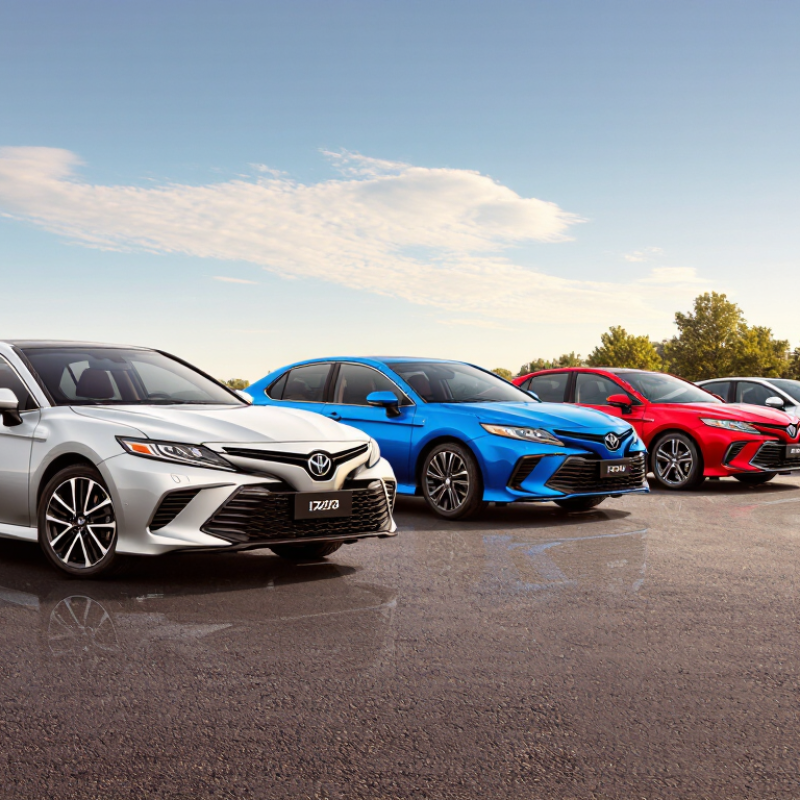
The 2026 Levin is best understood as a compact sedan aimed at everyday driving, rather than a specialized performance car. Its likely appeal rests on familiar priorities: manageable size, practical seating, and a shape that suits city streets and regular commutes. Exact equipment can vary by country, so buyers should check local specifications before comparing versions.
A compact footprint helps when parallel parking beside a crowded curb or easing through narrow lanes. The sedan layout also gives many households a separate luggage area for groceries, work bags, or weekend cases. No guesswork needed. Still, the model’s place in a market depends on its local price, safety equipment, and available powertrain. Those details may differ between regions, even when the name is similar. For global buyers, the Levin is worth viewing as a practical mainstream option, not a single universal specification. A test drive can reveal details a brochure misses, such as rear-seat comfort and visibility at junctions. I would avoid assuming every market gets the same cabin or features. That uncertainty is a little inconvenient, but it is better than treating an unverified specification as fact.
How the Levin’s Trims Differ Across Markets
Trim names can look familiar across borders, but their equipment may differ sharply. For the Levin, local entry grades could prioritize basic safety features and smaller wheels, while higher grades may add driver assistance, larger screens, or hybrid powertrains. Availability depends on the country, so treat these as items to verify, not confirmed 2026 specifications. Small details matter. Rear air vents, seat materials, and charging ports can change by market, even when the trim badge stays similar.
The International Energy Agency’s Global EV Outlook 2024 reports nearly 14 million electric-car sales worldwide in 2023, around 18% of new-car sales. That is useful market context, not evidence that every Levin market offers an electrified grade. Powertrain choice, screen size, and safety equipment may reflect local demand and supply. A comparison based only on overseas brochures can mislead. I would check the local specification sheet and confirm which features are standard, optional, or unavailable.
Tips: Compare the exact market and model year. Ask for a written equipment list, then inspect the rear cabin, instrument display, and wheel size in person. Don’t assume a higher trim includes every feature shown in a global advertisement.
2026 Compact Sedan: Trim Differences Across Markets
A practical comparison for global buyers. Grade names, equipment and powertrains are market-specific; the entries below describe what buyers should verify rather than assuming that a single worldwide trim list applies.
| Market |
Availability and naming |
Powertrain differences to check |
Typical trim-level distinctions |
Buyer checks before ordering |
| Mainland China |
The Levin name is associated primarily with the Chinese-market sedan. Confirm the exact 2026 model-year listing and grade locally. |
Check whether the local range offers petrol, hybrid, or both; engine and transmission combinations can differ by grade and model year. |
Lower grades generally focus on essential equipment; higher grades may add larger displays, comfort features, and driver-assistance equipment. Confirm each item against the grade sheet. |
Verify the official specification sheet, warranty terms, emissions certification, and whether the vehicle is intended for domestic sale or export. |
| Other Asian markets |
The same model or vehicle may be sold under a different name, or may not be offered locally. Do not assume Chinese grade names transfer directly. |
Local fuel requirements, emissions rules, and import specifications can affect available engines and transmissions. |
Equipment bundles are often adjusted for local pricing and regulations; features that are standard in one market may be optional or unavailable in another. |
Check local dealer documentation, safety equipment, service coverage, and the availability of replacement parts. |
| Middle East and Africa |
Availability varies by country and distributor; confirm the local model name and whether the vehicle is officially supported. |
Confirm fuel compatibility, cooling specification, and the exact powertrain supplied for the destination country. |
Grade content may emphasize air conditioning, interior durability, or convenience equipment, but the actual package varies by country. |
Ask for the country-specific equipment list and written confirmation of warranty, roadside support, and parts supply. |
| Europe and North America |
Do not assume the Levin nameplate or its Chinese-market grades are officially sold in these regions. |
Any imported example may differ from locally certified vehicles in emissions, lighting, connectivity, and powertrain specification. |
Local-market trim names and safety packages, where available, are not directly comparable with grades sold elsewhere. |
Check registration eligibility, emissions and safety compliance, navigation and connected-service compatibility, and warranty validity before purchase. |
Which Powertrain Options Suit Different Driving Needs
For a 2026 compact sedan, the right powertrain depends less on the badge and more on the daily route. A conventional petrol engine may suit drivers who value predictable servicing and spend plenty of time on open roads. It can feel straightforward during a long commute, though stop-and-go traffic may raise fuel use.
A hybrid option can make more sense for urban routines. Frequent braking and low-speed travel give its electric system more chances to reduce fuel consumption. At a red light, the engine may switch off; in a slow queue, acceleration can feel smoother. Quiet, too. Buyers should compare local specifications, because engine choices and equipment can vary by market.
Some drivers may prefer a turbocharged petrol setup for quicker response when merging or climbing a steep road. That extra punch can be useful, but it does not automatically mean better everyday value. Fuel quality, maintenance costs, and driving style all matter. I would test each available version on the same route, including a rough patch and a short highway stretch. A brief drive is imperfect evidence; still, it can reveal whether the pedal response and cabin noise suit your routine.
How Regional Availability Shapes the Best Levin Choice
A 2026 Levin is not one uniform global choice. Buyers should check which trims are officially sold in their country before comparing prices. A locally supported version can mean easier parts access, clearer warranty coverage, and fewer delays after a repair. Check the engine, safety equipment, and infotainment language on the actual vehicle, not a foreign listing. Small details matter. A dashboard that looks identical in photos may hide different equipment or software.
Regional demand also shapes which versions make practical sense. ACEA’s 2025 Economic and Market Report records 10.6 million new-car registrations in the European Union during 2024; hybrids accounted for 30.9%, while petrol cars made up 33.3%. Those figures describe regional buying patterns, not Levin sales, so they cannot identify a best trim by themselves. They do show why powertrain availability and local service expertise deserve attention. Ask a dealer for the exact specification sheet and written warranty terms. Then compare routine service access in your area. Import listings can be tempting, but their parts and software support may be uncertain. That caveat is easy to overlook.
What Global Buyers Should Compare Before Choosing a Model
A model name can hide meaningful differences between markets. Compare engine options, transmission, and trim equipment using the exact local specification sheet. In a hot climate, air-conditioning performance matters more than a feature you may rarely use. Small details matter.
Check whether the listed fuel economy reflects your region’s testing method; figures from different cycles are not directly comparable. A larger wheel may look appealing, but replacement tires can cost more and ride comfort may suffer on rough streets. Ask a local dealer about service intervals and commonly stocked parts. Equipment varies. Verify safety features by trim, rather than assuming every version includes the same driver aids.
If your regular route includes steep roads, test acceleration with passengers aboard. Measure rear-seat space with a child seat or bulky bag, not just a tape measure. Fuel use also depends on traffic, driving habits, and maintenance, so treat official figures as a reference, not a promise. I would be cautious about choosing the highest trim without comparing its added features against the price. A polished specification sheet can still leave practical questions unanswered.