Leave Your Message
Choosing the right vehicle is less about chasing a single “best” badge and more about matching a model to daily needs. This guide explores seven vehicle models that stand out for practical reasons, including comfort, efficiency, safety features, reliability records, and overall value. A roomy cabin can matter more than quick acceleration when you carry family or bulky groceries. For a long commute, fuel economy and seat comfort may deserve greater weight.
The phrase Model Of A Vehicle can describe a broad category, but individual trims often differ in price, equipment, and performance. That matters. A base model may offer excellent value, while an upgraded version adds features some drivers will rarely use. We’ll consider how each choice may suit different lifestyles, from city driving to weekend travel, without assuming one vehicle fits everyone. No shortlist is perfect.
Vehicle reliability and safety can vary by model year, maintenance history, and market, so buyers should check current specifications and independent testing before making a decision. Ownership costs deserve attention, too. Insurance, fuel, servicing, and depreciation can change the real price well beyond the showroom sticker. The models discussed here are useful starting points, not guarantees of a trouble-free experience. Even a well-reviewed vehicle can disappoint if it feels cramped or awkward on your regular route. A test drive helps reveal those small details. This overview aims to make the comparison clearer, while leaving room for personal priorities and a little honest uncertainty.
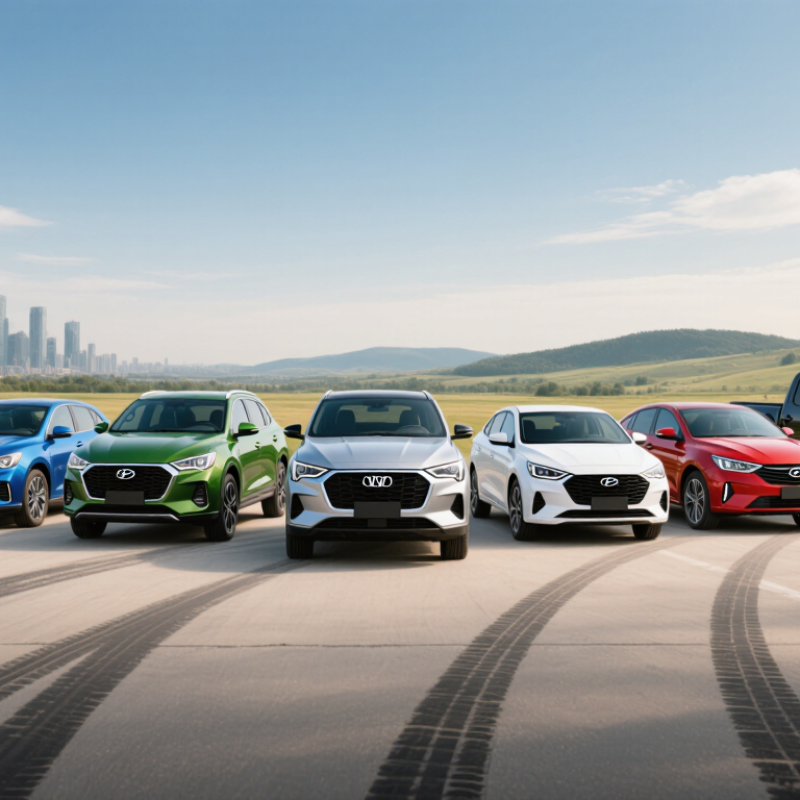
A useful shortlist begins with measurable standards, not showroom impressions. The EPA’s 2024 Automotive Trends Report puts average new-vehicle fuel economy at 27.1 miles per gallon for model year 2023. Treat that as a baseline, not a promise: real-world mileage shifts with traffic, temperature, tires, and driving style. For each candidate, compare the EPA city and highway estimates with your own commute. A ten-mile urban trip can tell a different story from a smooth highway test.
Safety needs a tougher check. The Insurance Institute for Highway Safety’s award criteria assess crash protection, headlights, and crash-prevention systems. Look up the exact model year and trim; equipment can vary within one model line. Check the relevant crash-test results, too. Small details matter, like whether a child-seat anchor is easy to reach or a warning system reacts before a close call. Ratings are useful, but they cannot recreate every collision.
Quality data adds a third lens. In J.D. Power’s 2024 U.S. Initial Quality Study, the industry average was 195 problems per 100 vehicles during the first 90 days of ownership. Lower scores indicate fewer reported problems, though early complaints are not a full reliability forecast. Compare results for the specific model, then inspect controls and storage in person. I’d still question any neat ranking: survey scores cannot reveal whether a seat stays comfortable after an hour.
A practical shortlist of 2024 model-year cars, compared using EPA combined fuel economy, IIHS award results, and model-specific quality information.
| Vehicle model | EPA combined efficiency | IIHS 2024 award | J.D. Power quality criterion | Best suited for |
|---|---|---|---|---|
| Prius LE (hybrid) | 57 mpg | TOP SAFETY PICK+ | No directly comparable model-level quality score is listed here; brand-level scores are not substituted. | Exceptional fuel economy in a compact hatchback |
| Camry Hybrid LE | 52 mpg | TOP SAFETY PICK+ | No directly comparable model-level quality score is listed here; brand-level scores are not substituted. | Efficient midsize commuting and passenger space |
| Accord Hybrid EX-L | 48 mpg | TOP SAFETY PICK+ | No directly comparable model-level quality score is listed here; brand-level scores are not substituted. | A roomy sedan with strong hybrid efficiency |
| Civic Sedan LX | 36 mpg | TOP SAFETY PICK+ | No directly comparable model-level quality score is listed here; brand-level scores are not substituted. | Compact-car value and everyday usability |
| Corolla Hybrid LE (front-wheel drive) | 50 mpg | TOP SAFETY PICK | No directly comparable model-level quality score is listed here; brand-level scores are not substituted. | Low fuel costs in a compact sedan |
| Elantra Hybrid Blue | 54 mpg | TOP SAFETY PICK+ | No directly comparable model-level quality score is listed here; brand-level scores are not substituted. | High-efficiency commuting with sedan practicality |
| Impreza (hatchback) | 30 mpg | TOP SAFETY PICK | No directly comparable model-level quality score is listed here; brand-level scores are not substituted. | A practical hatchback with standard all-wheel drive |
Notes: EPA figures are combined ratings for the named 2024 configurations; ratings can vary with trim, drivetrain, and equipment. IIHS awards apply to qualifying configurations and may depend on headlights or production dates. J.D. Power quality results are not presented as model-level scores here because a comparable, verified score for each listed configuration has not been established.