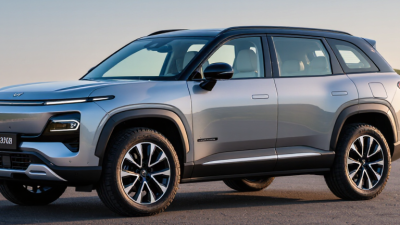
Why Choose the ROX 01 7 Seater SUV?
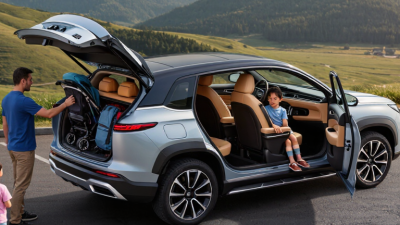
Choosing the Rox 01 7 Seats means looking beyond the number of places in its cabin. Families also need practical access to the third row, useful luggage space, and a comfortable ride across changing road conditions. A school backpack, a folded stroller, and a weekend’s bags can quickly test any three-row SUV. The details matter.
ROX Motor founder Chang Jing has positioned the ROX 01 around family travel and outdoor use. As a paraphrase of that product focus, his perspective can be expressed this way: “A family SUV should make the journey part of the experience.” This is a summary, not a verbatim quotation. It points to a useful question: does the vehicle suit your regular trips, not just an occasional adventure?
The Rox 01 7 Seats may appeal to buyers who want a spacious cabin and a more travel-ready SUV. Yet seating labels alone do not guarantee comfort. Check how adults fit in the third row, how easily passengers can reach it, and how much cargo space remains when all seats are occupied. Small details count. Compare the exact trim and market specification before deciding, since equipment and seating arrangements can vary. A careful test drive can reveal what a brochure cannot: whether the cabin feels easy to live with after a full day on the road.
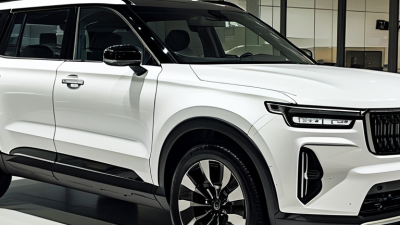
ROX 01 Overview and 7-Seater Design
Seven-Seater SUV Overview and Design
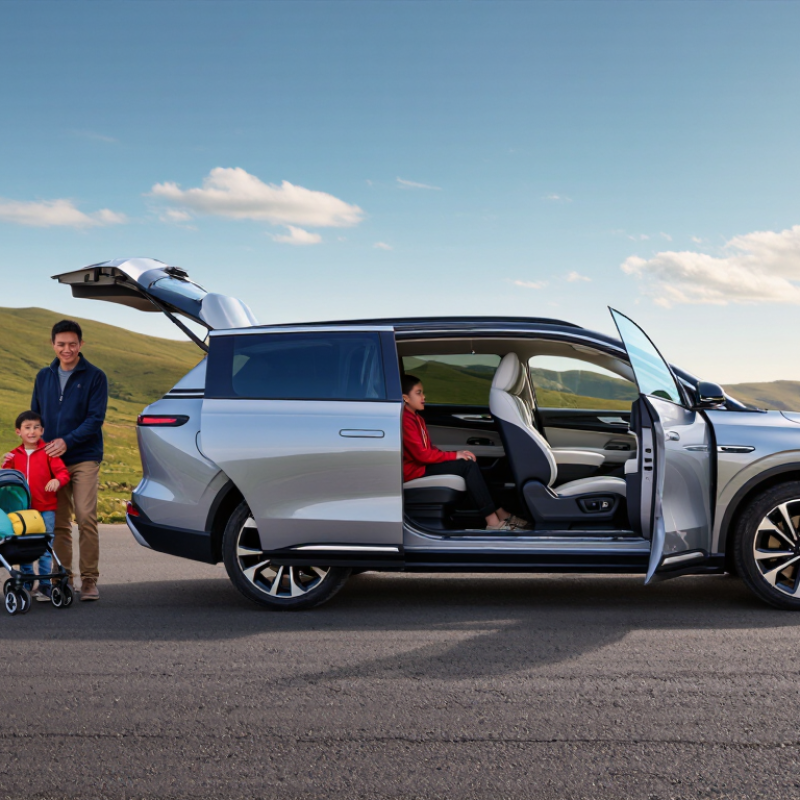
A seven-seat SUV is most useful when its cabin works for real routines, not just showroom photos. Look at how easily passengers reach the third row, and whether adults can sit there without their knees pressing into the seat ahead. Small details matter: a wide door opening, reachable cupholders, and a flat place for a school bag. The layout is a compromise. More seats can mean less room for luggage.
Efficiency deserves equal attention. The U.S. Environmental Protection Agency’s 2024 Automotive Trends Report says average new-vehicle fuel economy reached 27.1 miles per gallon for model year 2023, a record. That figure covers many vehicle types, so it is not a promise about any one SUV. Compare the vehicle’s official rating with your typical routes, especially if you often carry a full cabin. A quiet cabin feels premium. But long-term comfort also depends on seat support, visibility, and how tiring the controls feel after an hour.
Tips: Bring the people who will use the third row to a test drive. Try installing a child seat, then check whether your usual bags fit behind the raised seats. Small oversight, big annoyance.
Interior Layout and Passenger Comfort
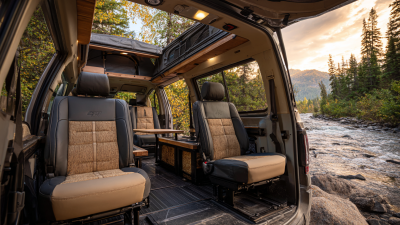
A seven-seat SUV earns its place through a cabin that works on ordinary trips, not just in photographs. A practical layout gives passengers room to enter, settle in, and reach their belongings. Check how the second row moves and whether access to the third row feels straightforward. Small details matter. A clear path and reachable cupholders can make a busy school run feel less cramped.
Passenger comfort depends on more than seat count. On a family test drive, place adults in the front and second rows, then try the third row with an adult-sized passenger. Notice knee room, head clearance, and how easily everyone can talk without raising their voices. The third row may feel tight on longer journeys, so it is worth checking honestly. A seat that suits children may not suit every adult.
Tips: Bring a regular backpack or child seat when viewing the cabin. Check whether it fits without blocking another passenger’s space. Try folding and restoring the seats yourself; a mechanism that feels awkward can become frustrating when the car is full.
Powertrain, Driving Range, and Performance
A seven-seat SUV’s powertrain should feel composed, not merely quick. Electric motors deliver immediate torque, helping the vehicle pull away smoothly when passengers and luggage fill the cabin. Hybrid systems can reduce fuel use on shorter trips, while a larger battery may provide more electric-only driving. The right balance depends on your routine. A long advertised range can still shrink in cold weather, at highway speeds, or with the air conditioning running.
Range figures are best treated as standardized comparisons, not promises for every journey. Check the exact test cycle, battery size, charging time, and whether the quoted distance applies to the specific configuration. The International Energy Agency’s Global EV Outlook 2024 reported that public charging points grew by more than 40% worldwide in 2023. That expansion helps, but a family trip still needs practical stops. Acceleration matters, too; so do braking, ride comfort, and stable handling on uneven roads. Sometimes the quietest ride is the better performance.
Tips: Compare range estimates using the same test standard. Then plan a familiar route with seven seats occupied. Note how much luggage, climate control, and speed change your expected range. The estimate may disappoint a little; that is useful information.
Why Choose a 7-Seater SUV? Powertrain, Driving Range, and Performance
This anonymous plug-in hybrid SUV specification pairs a 235 km CLTC electric-only range with a 1,382 km CLTC combined range. Its dual-motor powertrain is rated at 350 kW, with a claimed 0–100 km/h time of 5.5 seconds. CLTC figures come from a specific test cycle and may differ from results under other standards or in real-world driving.
Technology, Safety, and Driver Assistance
For a seven-seat SUV, safety technology should help the driver manage a full cabin, not promise to replace attention. A rear camera can make a tight parking space easier to judge; rear cross-traffic alerts may help when reversing between tall vehicles. Check which features are actually fitted, and whether their alerts are clear rather than intrusive. Small details matter.
The evidence is useful, but it needs context. An Insurance Institute for Highway Safety analysis of police-reported crashes found that vehicles with forward collision warning and automatic braking had 50% fewer rear-end crashes than vehicles without those systems. That is a meaningful result, not a guarantee. Sensors can miss hazards in poor weather, and drivers may still need to brake or steer. No system sees everything.
For a family vehicle, examine how driver assistance works with passengers and luggage onboard. Lane support should feel predictable on a winding road, while parking cameras should remain visible in low light. The National Highway Traffic Safety Administration recorded 42,514 U.S. traffic deaths in 2022, a sobering reminder that risk remains. A polished screen can still distract. Take time to test the alerts, controls, and visibility from every seat before deciding.
Practicality for Families and Long-Distance Travel
A seven-seat SUV earns its place in everyday family life when the seating works beyond the showroom. On school mornings, children need room to buckle in, while bags, sports gear, and groceries compete for space. Try the third row with the people who will actually use it. Access and knee room can feel different on a short visit than during a full drive.
For long-distance travel, small comforts matter. Supportive seats, clear controls, useful storage, and easy-to-reach charging points can make several hours on the road less tiring. Pack the vehicle as you normally would before leaving: with every seat occupied, luggage space may shrink quickly. A roof box can help, but it also adds setup and changes the vehicle’s height. Check fuel or energy use for your typical routes, too; estimates alone do not tell the whole story.
There are compromises. A large vehicle can be harder to park in tight streets, and the rearmost seats may suit children better than adults on longer journeys. That detail is easy to overlook. A calm test drive with passengers and a realistic load offers better evidence than a feature list, especially when family routines change from weekday errands to weekend travel.
Why Choose a 7-Seater SUV? Practicality for Families and Long-Distance Travel
| Practicality dimension |
Factual benchmark |
Why it matters for families and travel |
| Passenger capacity |
A 7-seat layout provides seven designated seating positions, including the driver. |
It can accommodate a larger household or occasional extra passengers in one vehicle. Check the vehicle’s certified seating capacity and seat-belt availability. |
| Child passenger safety |
U.S. National Highway Traffic Safety Administration guidance says children under 13 should ride in the back seat. |
A family can plan seating around age-appropriate restraints. Always follow local laws and the child-seat and vehicle manufacturers’ instructions. |
| Child-seat fit |
Child restraints must be appropriate for the child and installed in a seating position approved for that restraint. |
Before a long trip, test the actual child seats in the intended rows and confirm that buckles and access remain usable. |
| Luggage with all seats in use |
Available cargo space varies by vehicle and seat configuration; using more seating positions can leave less room for luggage. |
Try your family’s usual bags and stroller with all intended seats occupied. Secure luggage so it cannot move into the passenger area. |
| Long-distance breaks |
The UK Highway Code advises drivers to plan journeys and take a break of at least 15 minutes after every two hours of driving. |
Regular stops give drivers a chance to rest and allow passengers to stretch, use facilities, and attend to children. |
| Trip planning |
Real-world range and energy or fuel use depend on factors such as speed, load, weather, route, and driving conditions. |
For longer journeys, plan stops using the vehicle’s official range information and current route conditions rather than relying on a single advertised figure. |
Guidance note: Safety recommendations and legal requirements vary by country. Consult applicable local guidance and the vehicle handbook.