2026 Top ROX 01 7 Seats SUV Price and Specs?
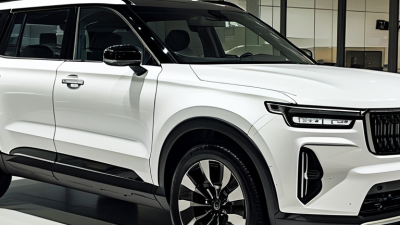
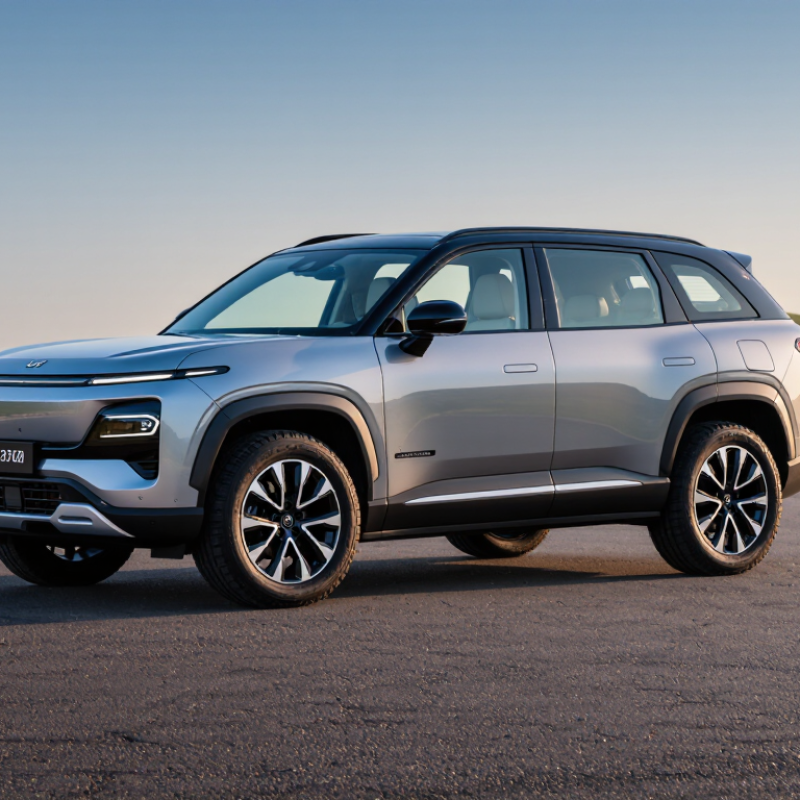
The 2026 Rox 01 7 Seats is attracting attention as a large, technology-focused SUV for families and long-distance drivers. Its boxy body, high ground clearance, and three-row cabin suggest practical road presence. The available seven-seat layout should suit family travel, although the rearmost seats may feel tight for adults.
Rox Motor founder Chang Jing has said, “The Rox 01 is designed to make outdoor travel more comfortable and intelligent.” That principle appears in the vehicle’s spacious cabin, panoramic glass roof, digital controls, and flexible luggage area. Still, buyers should examine real-world usability, not only impressive specifications.
Reported versions use a range-extender powertrain, a battery-electric drive system, and dual-motor all-wheel drive. Depending on the market, claimed outputs may approach 330 kW, while driving range figures can exceed 1,000 kilometres under testing conditions. Those figures remain difficult to compare. Weather, speed, passenger weight, and luggage can change results noticeably.
Expected 2026 pricing may sit near the premium family-SUV segment, but local taxes, equipment packages, and import costs could alter the final figure. Exact pricing needs confirmation from an official distributor. The same applies to towing capacity, charging speed, warranty coverage, and advanced driver-assistance functions.
This guide will examine the Rox 01 7 Seats through practical details. Cabin space matters. So does service support. Its design looks convincing, but long-term reliability and software performance still require stronger ownership evidence.
2026 ROX 01 Seven-Seat SUV Price Range and Market Position
The 2026 seven-seat SUV is expected to target the premium family-adventure market. Its indicative price range may sit near RMB 300,000–400,000, depending on taxes, options, and local equipment. This estimate remains provisional, because final regional pricing and certification details may change. Buyers should not treat early online figures as confirmed.
Its market position looks broader than a typical urban family SUV. The vehicle combines three-row seating, generous ground clearance, and electrified driving support for long journeys. The International Energy Agency reported that global electric car sales exceeded 17 million in 2024. Electrified large SUVs are gaining attention, but their weight can reduce real-world efficiency. That trade-off deserves more attention. A full passenger load, luggage, and cold weather may noticeably reduce driving range. J.D. Power surveys also show that charging convenience and product reliability strongly influence ownership satisfaction.
Tips:
Check the third-row knee room with adults present. Measure your garage before ordering. Ask dealers for verified range data, warranty terms, and service coverage. A lower purchase price may not mean lower ownership cost. Battery insurance, tyres, and specialist maintenance can reshape the monthly budget. Market positioning is promising, yet resale performance remains uncertain for newer electric powertrains.
ROX 01 Dimensions, Seating Layout, Cargo Space, and 3,010 mm Wheelbase
The 2026 seven-seat SUV uses a 3,010 mm wheelbase, creating a stable foundation for family travel. Its listed body dimensions are approximately 5,052 mm long, 1,987 mm wide, and 1,840 mm high. These figures suggest a substantial road presence without reaching full-size SUV proportions.
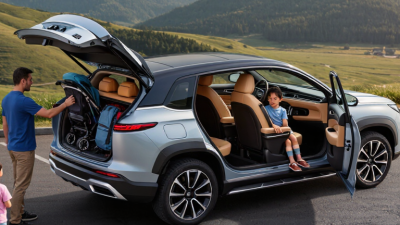
The seating layout follows a practical 2-3-2 arrangement. Adults should find useful legroom in the first two rows, while the third row suits children or shorter passengers better. That judgment may change with seat adjustments. Measure twice.
Cargo space depends heavily on how many seats are occupied. With all three rows upright, the rear compartment is better suited to backpacks, grocery bags, or a few small cases. Folding the third row should create a much flatter loading area for strollers, sports equipment, or weekend luggage. A powered tailgate would make daily loading easier, although equipment can vary by market.
The wide body should help shoulder room, but it may feel demanding in narrow parking spaces. A 360-degree camera and clear parking sensors would be valuable in this size class. Buyers should verify final exterior measurements, seat materials, and cargo figures locally, because published specifications sometimes differ between configurations. The numbers look promising, yet real comfort needs a proper second-row and third-row test.
ROX 01 Powertrain Output: 350 kW, 740 Nm, and 1.5-L Range Extender
The seven-seat SUV uses a 1.5-liter range extender with a claimed system output of 350 kW and 740 Nm. These numbers suggest strong acceleration, especially when merging onto fast roads. The electric motors should deliver immediate torque. That response can feel useful with passengers and luggage onboard.
A range extender does not directly drive the wheels in normal operation. Instead, the small engine produces electricity for the battery and motors. This setup can reduce range anxiety during long trips. It may also keep the drivetrain smooth in traffic. However, fuel consumption depends on speed, temperature, payload, and battery charge. Peak output is not the same as constant performance.
On a steep gravel path, the 740 Nm figure could help maintain momentum without excessive throttle input. Inside, seven occupants may appreciate the quiet electric response. The vehicle’s weight still matters. A full cabin, roof equipment, or wet ground could reduce efficiency and handling confidence. I would also check charging speed, battery capacity, and braking feel before judging the complete package. The advertised figures are impressive, but independent road testing remains necessary. Real driving is less perfect than a specification sheet.
ROX 01 Battery Capacity, 235 km CLTC EV Range, and 1,338 km Total Range
This seven-seat SUV pairs a 56-kWh battery with an extended-range powertrain. Published specifications list 235 km of CLTC electric driving and 1,338 km of total range. That combination suits school runs, city commuting, and long-distance travel with fewer charging stops. Still, CLTC testing can appear generous. Real-world results may fall below 235 km during winter, high-speed driving, or heavy air-conditioning use.
The International Energy Agency’s Global EV Outlook 2024 highlights charging access as a major factor in electric vehicle adoption. A large battery helps, but charging speed and local infrastructure matter more than headline capacity. In practical use, drivers should expect the battery to cover daily travel quietly and efficiently. The petrol generator then supports longer journeys. It is convenient, though not fully electric on every trip. That distinction deserves clearer buyer attention.
Tips: Charge overnight when possible. Keep the battery between 20% and 80% for routine use. Before a highway journey, check weather, passenger load, and charging points. Seven occupants and luggage can reduce efficiency noticeably. Also, compare the listed 56-kWh capacity with the exact market specification. Equipment and certification figures may vary, and that uncertainty should not be ignored.
ROX 01 Safety Systems, AWD Capability, and Key Rivals in the Large-SUV Class
The 2026 ROX 01 targets families needing seven seats, high ground clearance, and long-distance flexibility. Its range-extender layout supports electric driving while a dual-motor AWD system can improve traction on wet roads, gravel, and steep ramps. Published specifications commonly cite around 476 horsepower and strong low-speed torque, although final figures may vary by market. That matters.
Safety depends less on headline power. Expected systems include adaptive cruise control, lane-centering assistance, automatic emergency braking, blind-spot monitoring, and a 360-degree camera. The Insurance Institute for Highway Safety has repeatedly shown that effective rear-seat protection and pedestrian detection remain difficult areas for large SUVs. Buyers should verify whether these systems operate across local speeds, lighting conditions, and road markings. Software promises can age quickly.
The cabin’s third row suits children better than tall adults, especially with luggage behind it. A low loading lip and wide-opening rear doors would be more useful than decorative technology. Euro NCAP’s 2023 safety protocols place greater emphasis on vulnerable-road-user detection, occupant monitoring, and rescue information, so independent testing deserves attention before purchase. The ROX 01 may challenge premium seven-seat SUVs with AWD traction and electric smoothness, but its real rivals offer longer-established service networks and clearer reliability records. That gap is easy to underestimate. Industry comparisons should also separate laboratory range from winter, highway, and fully loaded results. EPA and WLTP figures are not interchangeable, and neither perfectly reflects family travel.
2026 ROX 01: Dimensions, Safety Systems and AWD Capability
The ROX 01 is a seven-seat large SUV with a 5.295-meter body, a 3.010-meter wheelbase and dual-motor all-wheel drive. Published figures may vary by trim, market and measurement method.
Seating Capacity
7 seats
AWD Configuration
Dual-motor AWD
Safety Focus
AEB, ACC, LKA and blind-spot monitoring
Its long wheelbase supports three-row packaging, while all-wheel drive is designed to improve traction during acceleration and on low-grip surfaces. Key large-SUV alternatives typically compete on seating space, advanced driver assistance, towing capability, electric range and overall body size.